Blog

  • Selling House Leaking Roof

    Selling House Leaking Roof

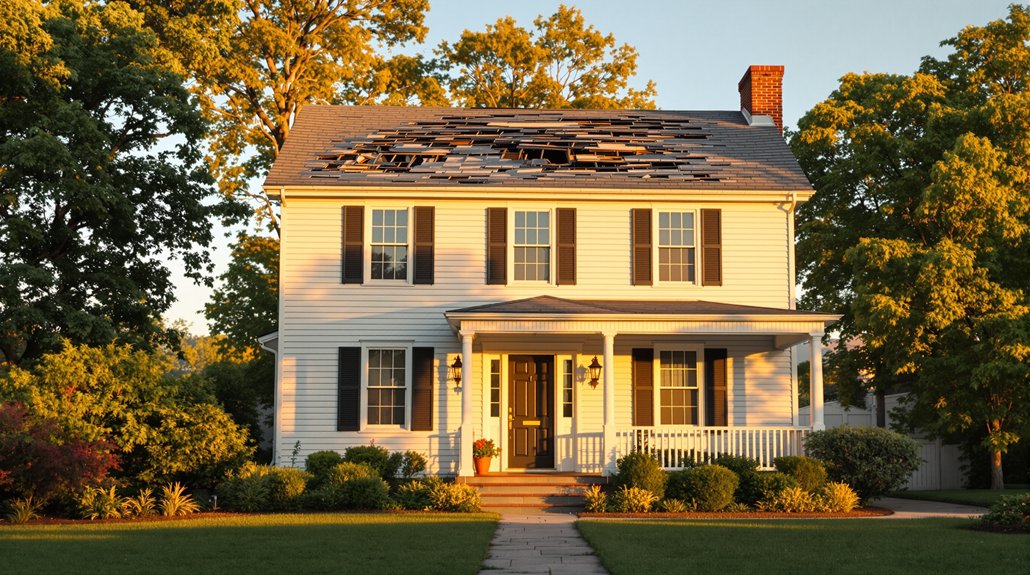
    You’re legally required to disclose roof leaks to buyers, which typically reduces your home’s market value by 10-25% beyond actual repair costs. Properties with roof damage face extended listing periods, intensified buyer negotiations, and potential structural liability concerns that deter qualified purchasers. Minor repairs cost $300-$800, while major fixes can exceed $6,500, yet typically recover only 60-70% at resale. Understanding your disclosure obligations and exploring alternative sale strategies can help you navigate these challenging market conditions effectively.

    How a Leaking Roof Affects Your Home’s Market Value

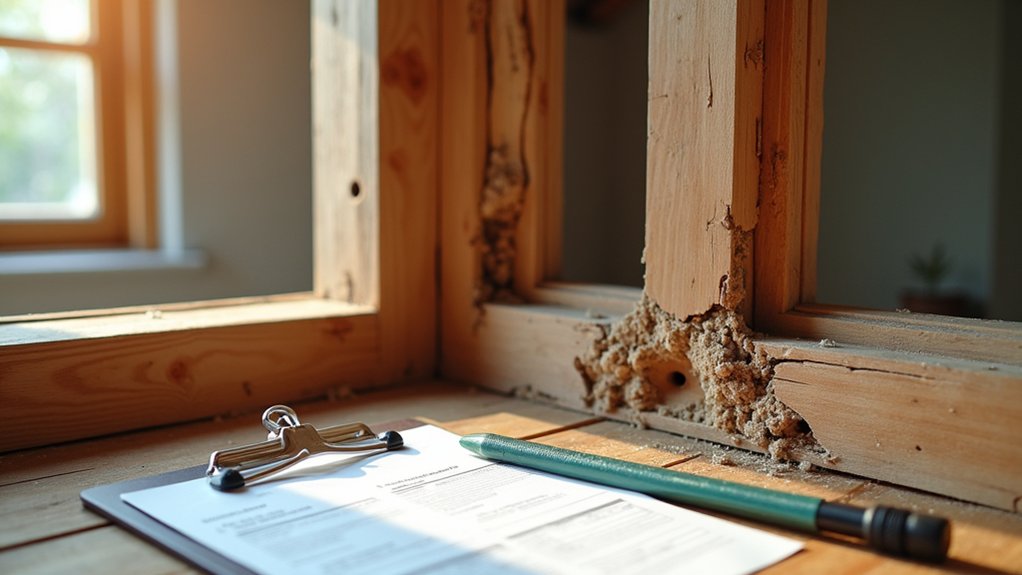
    When selling a house with a leaking roof, you’re facing substantial market value reduction that extends far beyond simple repair costs. Your home’s appraisal impact becomes severe as moisture damage signals poor maintenance to professionals evaluating the property. Additionally, homes with active termite damage can further exacerbate the negative perception of the overall condition of your home.

    Buyer perception immediately shifts negative when roof leaks are detected, creating negotiation leverage that works against you. Potential buyers often reduce offers by more than actual replacement costs after detecting problems. Your property will sit on the market longer, forcing acceptance of lower offers to facilitate sale.

    The history of roof leaks markedly damages market value, as buyers view this as evidence of overall neglect throughout the home. You’ll face mandatory disclosure requirements during sale process, further diminishing buyer confidence and competitive offer potential. Insurance companies may deny claims or increase premiums for preventable damage, adding another layer of financial burden that affects your property’s attractiveness to buyers.

    Buyer Reactions and Market Appeal Challenges

    Once buyers uncover roof leaks during their property evaluation, you’ll encounter immediate and predictable resistance that extends far beyond simple price negotiations. Understanding buyer psychology reveals deep-seated concerns about structural integrity, safety risks, and your maintenance credibility. Market trust erodes when buyers spot water damage, mold potential, or incomplete disclosures.

    Buyer Concern Impact on Market Appeal
    Structural damage fears Walk-aways despite attractive pricing
    Health/safety risks Demands for extensive inspections
    Disclosure skepticism Increased scrutiny of all representations
    Negotiation leverage Aggressive repair demands or credits
    Property perception Reduced curb appeal and buyer interest

    You’ll face escalated demands for documentation, third-party validations, and repair guarantees. Buyers who proceed typically insist on protective contingencies that complicate your closing timeline and reduce your negotiating position. Roof damage claims are the second most common source of disputes against home inspectors, reflecting how frequently these issues derail transactions and create lasting legal complications.

    Extended Listing Periods and Pricing Pressure

    leaking roof worsens selling prospects

    Your leaking roof property faces intensified headwinds as 48% of listings now linger beyond 60 days—the highest August percentage since 2019. This market shift means you’ll likely confront longer listings, with median days increasing from 58 to 63 days recently. Nearly one in five sellers accepts price adjustments, representing decade-high concession rates. Additionally, many sellers fail to account for hidden costs that can further impact their bottom line during negotiations. Your defective roof amplifies these pressures, as buyers exploit expanded inventory (4.6 months supply) to demand deeper discounts. Extended listing periods signal impending price declines across markets. You’re entering negotiations from a weakened position where structural defects become leverage points for aggressive buyers seeking maximum value extraction. Rapid sales now typically occur only for homes with immaculate presentation or unique features, making defective properties even more challenging to move quickly.

    Water Damage and Hidden Structural Concerns

    Beyond surface-level concerns, your leaking roof creates cascading water damage that penetrates deep into your home’s structural framework, exposing you to significant liability risks and mandatory disclosure obligations. Water infiltration compromises load-bearing walls, support beams, and joists, causing structural rot that weakens your home’s foundation. You’re legally bound to disclose these material defects, even if they’re not immediately visible.

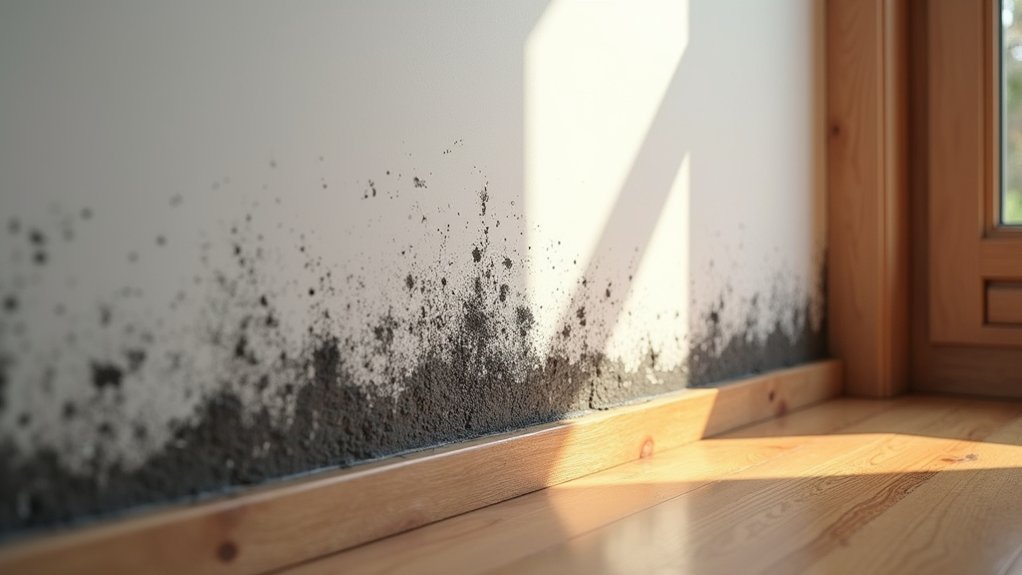
    Hidden mold develops within 24-48 hours in damp environments, creating health hazards you must reveal to potential buyers. Wooden beams lose strength, metal fasteners corrode, and insulation clumps, reducing effectiveness. Water stains, sagging ceilings, and musty odors signal deeper problems that professional inspections will inevitably uncover. Professional remediation may be required for significant mold infestations that have spread throughout affected areas. Attempting to conceal these issues violates disclosure laws and exposes you to post-sale litigation.

    Repair Costs vs. Investment Returns

    repair cost versus resale impact

    While minor roof repairs might cost only $300 to $800, you’re facing a complex financial calculation that weighs immediate repair expenses against potential sale price reductions of 10% to 25% of your home’s value.

    Major structural repairs can escalate to $6,500+, but unrepaired leaks expose you to buyer negotiations demanding significant price concessions.

    You’ll recover 60% to 70% of repair investments at resale while eliminating deal-killing inspection findings.

    Emergency repairs add 25% to 100% to standard costs, creating timing risks.

    Consider that well-maintained roofs increase resale value by 1% to 6%, demonstrating long term maintenance value.

    Energy efficiency improvements during repairs may qualify for tax credits, offsetting immediate expenses while attracting environmentally conscious buyers seeking reduced utility costs.

    When you’re selling a house with a leaking roof, you’ll face stringent legal disclosure requirements that vary by jurisdiction but universally mandate written documentation of all known defects affecting your property’s value or safety. Disclosure timelines typically require immediate notification once you’re aware of the issue. Failure to disclose exposes you to fraud claims and potential sale rescission.

    Traditional Sale Alternative Strategy
    Full repairs required Sell “as-is” with disclosure
    Extended market time Quick investor outreach
    Higher listing price Price reduction upfront
    Buyer financing issues Cash buyer targeting

    Alternative strategies offer freedom from repair obligations. Target real estate investors or cash-buying companies specializing in distressed properties. Provide professional inspection reports and repair estimates upfront. This transparency protects you legally while attracting buyers who understand the property’s condition and can close quickly.

    Skip Expensive Roof Repairs
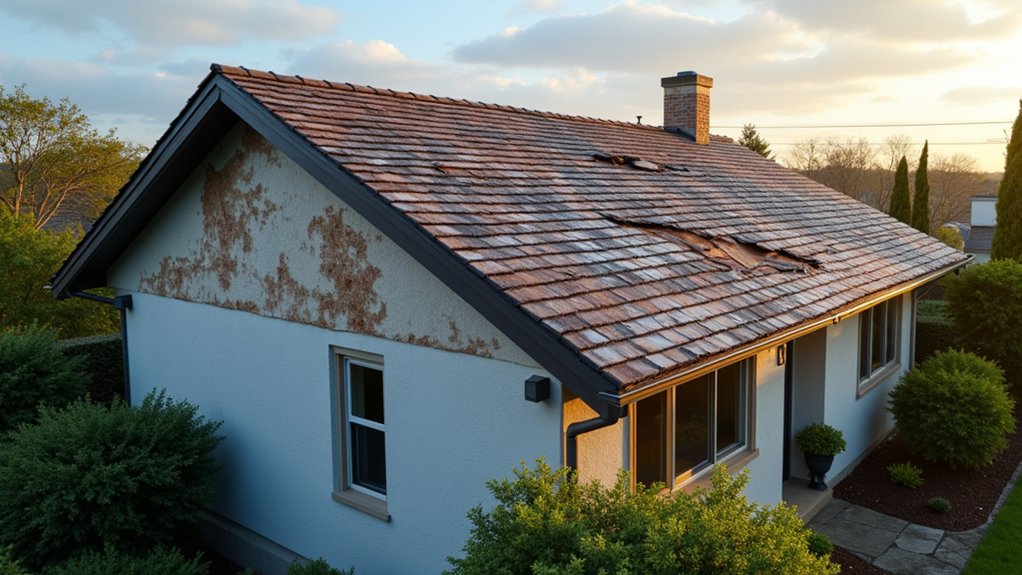
    sell as is for cash

    You can skip costly roof repairs by working with cash buyers who purchase properties in their current condition.

    When you submit your property information through a simple form or quick phone call, investors will assess your home’s value accounting for the roof issues and present a no-obligation cash offer.

    You’ll retain control over the timeline by choosing your preferred closing date, avoiding months of repair work and contractor coordination that traditional sales typically require.

    Tell Us About Your Property

    How substantially will your leaking roof impact your home’s marketability and final sale price? You’re facing a 10-20% reduction below market value, with buyers leveraging repair costs of $7,000-$15,000 against your asking price. Your property’s extended market time signals underlying problems to potential buyers, creating additional negotiation pressure.

    Consider these critical factors affecting your sale:

    1. Appraisal Risk – Lenders may require immediate repairs before mortgage approval, potentially killing deals
    2. Structural Liability – Hidden water damage creates legal disclosure obligations and buyer leverage
    3. Insurance Complications – Coverage limitations may deter qualified buyers from proceeding

    Despite neighborhood trends favoring sellers or available renovation incentives, your leaking roof eliminates competitive advantages. Buyers perceive roof damage as poor maintenance, questioning what other issues you’ve concealed. You’re effectively competing with move-in-ready properties while carrying significant liability.

    – You submit your information through a simple form or a quick phone call

    Filling out a simple form or making a quick phone call connects you with cash buyers who specialize in purchasing homes with structural defects, eliminating your obligation to invest thousands in roof repairs before sale. This quick contact method bypasses traditional listing requirements that typically demand costly pre-sale improvements. You’ll receive an instant estimate based on your property’s current condition, including documented roof damage and repair histories.

    Cash buyers who accept as-is properties understand structural risks and factor repair costs into their offers. While offers may reflect below-market values, you avoid holding costs, inspection delays, and potential legal disputes from undisclosed defects. Professional investors streamline transactions by accepting documented roof problems upfront, providing transparent purchase terms that acknowledge existing structural issues without requiring seller remediation obligations.

    Get a Fair Cash Offer

    Cash buyers eliminate your financial burden of expensive roof repairs by purchasing your property in its current damaged condition. Their cash valuations factor roof damage directly into transparent pricing calculations, removing negotiation hassles over repair credits. You’ll receive honest assessments based on proven investment formulas without costly inspection delays.

    Instant closings provide immediate relief from:

    1. Out-of-pocket repair expenses – Avoid $8,000-$50,000 roof replacement costs that only return 48-57% value
    2. Legal disclosure risks – Cash buyers expect damage, reducing misrepresentation liability concerns
    3. Carrying cost burdens – Eliminate monthly payments while managing water damage and marketing delays

    Professional investors calculate offers at 70-85% of after-repair value minus estimated repairs. While you’ll accept below-market pricing, you’ll avoid repair expenses, agent commissions, and extended holding costs that often exceed the price difference.

    – We’ll quickly assess your property and present a no-obligation cash offer

    Skip the mounting expenses and legal complexities of roof repairs by securing a rapid assessment that preserves your financial exposure within days. Cash buyers conduct thorough property evaluations within 24–48 hours, reviewing inspection reports and damage severity without requiring upfront fees from you.

    You’ll receive transparent terms through no-obligation offers presented within 1–3 days of assessment. These offers persist valid for 7–14 days, providing adequate time for informed decision-making without pressure tactics. The rapid assessment process identifies all disclosed defects while protecting you from repair coordination risks, permit delays, and potential contractor disputes.

    Cash offers typically range 55–85% of appraised value, reflecting assumed repair costs and buyer risk. You’ll avoid $7,000–$30,000 repair expenses while eliminating real estate commission fees averaging 5–6% of sale price.

    Choose Your Closing Date

    Once you accept a cash offer, you’ll gain unprecedented control over your transaction timeline through flexible closing date arrangements that eliminate repair deadline pressures.

    Your flexible timeline becomes a potent negotiation tool when selling with roof damage. Unlike traditional buyers who demand immediate repairs, cash purchasers typically accommodate your scheduling needs while maintaining proper disclosure requirements.

    Key Timeline Advantages:

    1. Negotiated possession dates – You’ll coordinate move-out timing without rushing costly emergency roof fixes
    2. Contract addendum flexibility – Both parties can specify closing terms that protect your legal interests
    3. “As-is” sale protection – You’ll avoid thousands in repair costs while maintaining full disclosure compliance

    This arrangement protects you from repair liability while ensuring transparent communication about known defects.

    Your closing timeline flexibility eliminates financial pressure and legal exposure associated with pre-sale roof repairs.

    – If you accept, you pick the date that works best for you, and we handle the paperwork

    When you accept our cash offer, you’ll eliminate the financial burden of expensive roof repairs while maintaining full legal compliance through proper disclosure protocols.

    You retain complete control over flexible scheduling, selecting your preferred closing date without pressure from mortgage contingencies or repair deadlines.

    Our streamlined paperwork handling guarantees all disclosure requirements are met while protecting you from future liability claims related to the roof condition.

    Unlike traditional sales where buyers often demand $10,000-$15,000 price reductions for roof issues, our process eliminates renegotiation risks.

    You won’t face the 60% buyer rejection rate typical with roof problems or extended market time that increases holding costs.

    We manage all documentation, inspection reports, and legal agreements, allowing you to close efficiently while avoiding costly repairs that typically yield only 60-85% ROI.

    Final Thoughts

    You’d think hiding roof damage would simplify your sale, but you’ll actually complicate everything. While you’re avoiding repair costs, you’re creating legal liabilities that’ll cost far more. Disclosure laws don’t disappear because you’re hoping buyers won’t notice. You’ll face extended listings, reduced offers, and potential lawsuits when that “minor drip” becomes the buyer’s major headache. Sometimes the expensive fix upfront prevents the catastrophic legal exposure later.

    References

  • Selling House Asbestos Lead Paint

    Selling House Asbestos Lead Paint

    You can legally sell your pre-1978 home with asbestos and lead paint without mandatory remediation by following federal disclosure requirements. You must provide EPA-mandated disclosure forms, the “Protect Your Family From Lead in Your Home” pamphlet, and allow buyers a 10-day inspection period. Buyers assume responsibility for disclosed hazards post-closing, transferring remediation obligations to them. Proper documentation protects you from EPA fines exceeding $37,500 daily while enabling strategic timing that maximizes your selling options.

    Federal Disclosure Requirements for Pre-1978 Properties

    When you’re selling a pre-1978 property, federal law doesn’t give you the option to skip lead-based paint disclosures—the Residential Lead-Based Paint Hazard Reduction Act of 1992 creates mandatory compliance obligations that expose you to significant legal and financial penalties if violated.

    You must complete mandatory disclosure forms before any purchase contract is signed, revealing all known lead-based paint information rather than simply checking yes or no boxes. Understanding hazardous materials disclosure is crucial for a smooth selling process.

    The EPA and HUD jointly enforce these requirements, demanding you provide the official “Protect Your Family From Lead in Your Home” pamphlet and include lead warning statements in sales contracts. Paint chips and dust from lead-based surfaces can create health hazards that particularly threaten young children and pregnant women through exposure.

    Record retention becomes critical—you’ll need all available reports, test results, and documentation ready for prospective buyers, ensuring your freedom from regulatory enforcement actions.

    Buyer Inspection Rights and Testing Procedures

    Federal law backs up buyers with a mandatory 10-day inspection period that kicks in the moment you’re selling a pre-1978 property—this isn’t a courtesy window but a regulatory requirement that protects purchasers’ rights to conduct thorough lead-based paint testing through EPA-certified inspectors. Using an Affidavit of Heirship can help expedite transactions in situations where inherited properties are involved.

    Your buyers hold complete authority during these ten day rights to either exercise their testing option or waive it entirely. Standard home inspectors can’t perform EPA-compliant procedures—only certified testing professionals possess the specialized equipment and laboratory analysis capabilities required for regulatory compliance.

    The inspection process involves chipping paint samples from high-wear surfaces like windows, doors, and railings, then sending them for chemical analysis. Buyers can negotiate based on results or walk away, giving them significant leverage in your transaction while ensuring their family’s safety.

    Risk assessments determine potential exposure risks beyond just identifying lead presence in your dwelling.

    Professional Assessment and Documentation Standards

    accredited documented hazardous materials compliance

    Accredited professionals must conduct all lead-based paint and asbestos assessments to meet stringent regulatory documentation standards that protect you from liability while ensuring buyer confidence in your property’s safety status.

    You can’t rely on EPA test kits or self-assessments—only state-accredited inspectors can legally declare your property lead-free or asbestos-free.

    Your accredited documentation must include detailed written reports specifying inspection methodology, findings, and professional credentials.

    These reports aren’t optional paperwork—they’re your legal shield against future claims and regulatory violations.

    If you’ve completed abatement work, you’ll need independent clearance testing to verify hazard elimination.

    While a standard Phase I ESA identifies potential environmental liabilities through historical records review and visual inspection, it does not include the specialized laboratory testing required for asbestos or lead-based paint confirmation.

    This creates thorough documentation proving your property meets safety standards, giving you freedom from ongoing compliance burdens while maximizing marketability.

    Remediation Options and Cost Considerations

    Calculate your remediation costs carefully—they’ll directly impact your sale timeline, profit margins, and legal compliance strategy. You’ve got three primary approaches: removal, encapsulation, or enclosure.

    Method Lead Paint Cost/sq ft Asbestos Cost Range
    Removal $10-$17 $5-$20/sq ft
    Encapsulation $4-$8 $2-$6/sq ft
    Enclosure $9-$10 N/A

    Professional abatement financing options include specialized loans designed for hazmat remediation, allowing you to complete work before selling. Combined projects typically cost $13,000 for thorough solutions. Factor in temporary relocation expenses during intensive removal—especially for asbestos projects requiring 3-7 days. Encapsulation offers 15-25% savings over removal but may limit buyer appeal. Hidden costs include testing ($200-$1,500), final inspections ($200-$400), and potential secondary hazard discoveries that’ll extend timelines and budgets.

    Professional risk assessment helps determine if removal is necessary, as minimal risk areas in low-use locations may not require immediate abatement.

    Health Risks for Vulnerable Populations

    lead harms vulnerable populations

    While remediation costs affect your bottom line, the health risks to vulnerable populations create far more serious legal and ethical obligations that’ll determine your disclosure requirements and liability exposure.

    Children under six face the greatest danger, absorbing four to five times more lead than adults through frequent hand-to-mouth behaviors. Even minimal exposure causes permanent brain damage and compromises child neurodevelopment.

    Pregnant women face equally severe risks, as lead crosses the placental barrier causing prenatal exposure that results in preterm birth, developmental delays, and increased miscarriage rates.

    Low-income families in pre-1978 housing bear disproportionate burdens due to deteriorating paint and limited abatement resources.

    Workers in lead-exposed industries risk chronic neurological and cardiovascular damage while potentially contaminating their families through take-home exposure.

    Asbestos Identification and Management Protocols

    Unlike lead paint’s visible deterioration patterns, asbestos-containing materials require systematic identification protocols since visual cues alone can’t confirm their presence.

    You’ll recognize suspicious asbestos textures in fibrous insulation, corrugated cement sheets, and 9-inch floor tiles from pre-1980 construction. Nonetheless, you can’t rely on appearance alone—certified professionals must collect bulk samples following strict sampling protocols to minimize fiber release.

    Professional inspectors use phase contrast microscopy for initial screening, then transmission electron microscopy for definitive identification. You’ll need accredited laboratory analysis to guarantee regulatory compliance.

    Once confirmed, you’ve got three management options: encapsulation seals materials, enclosure isolates them behind barriers, or complete removal by licensed contractors.

    Document everything in your management plan—this protects your freedom to sell while maintaining safety standards.

    When selling property containing lead paint or asbestos, you’ll face stringent federal compliance requirements that demand certified contractor involvement for any disturbance activities.

    You must verify contractors hold current EPA certifications through proper contractor verification processes, including 40-hour training completion and 80% exam scores.

    Training records should document hands-on experience and regulatory knowledge before you authorize work.

    Monitor licensing updates regularly, as certifications aren’t permanent and require renewal tracking to avoid violations.

    Insurance requirements mandate adequate coverage protecting against contamination liability during remediation.

    Non-compliance triggers EPA fines exceeding $37,500 daily per violation, making proper contractor selection critical for protecting your financial interests and maintaining regulatory freedom during property transactions.

    Skip Costly Hazard Remediation

    sell as is to cash buyers

    You can bypass expensive lead paint and asbestos removal procedures by working with cash buyers who purchase properties in their current condition.

    When you submit your property details through our streamlined process, we’ll evaluate your home’s hazard disclosure requirements and present a fair cash offer that accounts for existing environmental conditions without requiring costly remediation on your part.

    This approach eliminates the $5,000 to $15,000 lead paint removal expenses while ensuring full regulatory compliance through proper disclosure protocols.

    Tell Us About Your Property

    Before initiating expensive remediation procedures, property owners must understand that federal disclosure laws don’t require you to conduct testing or removal of lead paint or asbestos in residential properties.

    You’re only obligated to disclose known hazards, giving you control over your selling strategy and costs.

    Your property’s characteristics determine your disclosure obligations:

    1. Construction date – Homes built before 1978 require lead paint disclosure forms regardless of actual presence
    2. Neighborhood history – Research previous commercial use that might affect exemption status
    3. Renovation timeline – Document any past renovations that may have addressed hazardous materials
    4. Known conditions – Assess visible damage to surfaces that might contain lead paint or asbestos

    This knowledge-based approach protects your financial interests while maintaining regulatory compliance.

    – You submit your information through a simple form or a quick phone call

    Reaching out to qualified buyers who understand hazardous materials risks eliminates your obligation to pursue expensive remediation before sale. You’ll complete a straightforward disclosure form detailing known lead paint or asbestos presence in your property.

    This quick contact process requires only essential information: construction year, known hazard locations, and any existing inspection reports. Federal law mandates disclosure, not remediation, for lead paint in pre-1978 homes. California’s TDS requirements similarly focus on transparency rather than costly removal.

    Professional buyers familiar with environmental hazards can assess risks independently during their inspection period. You’ll receive a fast callback within hours, streamlining your path to sale without thousands in unnecessary remediation expenses.

    Get a Fair Cash Offer

    Cash buyers eliminate the financial burden of hazardous material remediation by purchasing properties in their current condition. You’ll receive competitive offers that factor in actual remediation costs without requiring upfront abatement expenses.

    Cash Offer Advantages for Hazardous Properties:

    1. No Financing Restrictions – Cash transactions bypass lender prohibitions on asbestos-containing properties that block conventional mortgage approval
    2. Transparent Cost Assessment – Investors provide offers based on professional remediation quotes ranging $2,000-$15,000, eliminating guesswork
    3. Streamlined Cash Negotiations – Direct buyer communication accelerates price discussions without third-party approval delays
    4. Guaranteed Rapid Closings – Ten-day completion timelines versus extended financing periods that often collapse during inspection phases

    You’ll maintain compliance with disclosure requirements while transferring remediation liability to qualified investors who specialize in hazardous material properties.

    – We’ll quickly assess your property and present a no-obligation cash offer

    When environmental hazards threaten your property’s marketability, professional cash buyers provide immediate assessment services that eliminate remediation requirements. You’ll receive a quick assessment that bypasses costly asbestos abatement averaging $1,800–$5,000 and lead paint remediation ranging $8–$15 per square foot.

    This streamlined process frees you from upfront containment, encapsulation, or removal expenses that traditional buyers demand.

    During offer presentation, cash buyers factor hazard remediation costs into their proposals, typically reducing prices 5–10% below market value. You’re not obligated to remediate known hazards when accepting cash offers, though federal disclosure laws still apply.

    These specialized buyers assume regulatory compliance responsibility post-sale, allowing you to escape the time-consuming abatement process while maintaining legal protection through proper hazard documentation and disclosure requirements.

    Choose Your Closing Date

    Once you’ve disclosed all known hazards through proper documentation, you’ll control your closing timeline without mandatory remediation delays. Federal regulations don’t require asbestos or lead paint removal before transfer—only proper disclosure. This seller flexibility allows you to align your moving timeline with personal needs rather than costly remediation schedules.

    Your closing date options include:

    1. Immediate closing after disclosure compliance, transferring liability to informed buyers
    2. Strategic timing that matches your relocation or purchase of replacement property
    3. Market-driven scheduling to capitalize on favorable selling conditions
    4. Personal convenience prioritizing your family’s relocation needs over remediation demands

    Buyers assume responsibility for disclosed hazards post-closing, freeing you from remediation obligations while maintaining full regulatory compliance and legal protection.

    – If you accept, you pick the date that works best for you, and we handle the paperwork

    Because federal regulations require only proper disclosure rather than mandatory remediation, you’ll bypass expensive hazard abatement while maintaining full legal compliance. You’re not obligated to remove lead-based paint or asbestos-containing materials before selling your pre-1978 home.

    Federal law mandates disclosure of known hazards, not costly remediation that can exceed thousands of dollars.

    When you accept our offer, flexible scheduling puts you in control. You’ll choose the closing date that aligns with your timeline and circumstances.

    Our team manages all paperwork handling, including required lead-based paint disclosure forms and asbestos documentation. We’ll guarantee proper regulatory compliance without forcing you into expensive contractor licensing requirements or professional testing protocols.

    You’ll maintain your freedom to sell efficiently while meeting all federal disclosure obligations through streamlined processes.

    Final Thoughts

    You’ve learned the regulatory framework, but don’t assume disclosure alone protects you from liability. While federal law requires lead paint disclosure for pre-1978 properties, you’re still responsible for known asbestos hazards regardless of age. Document all professional assessments, maintain certified contractor records, and understand that buyers can’t waive inspection rights. Your compliance strategy must address both immediate legal obligations and long-term health liability exposure, particularly for vulnerable populations like pregnant women and children.

    References

  • Selling House Termite Damage

    Selling House Termite Damage

    Termite damage reduces your home’s market value by 20-30% and triggers mandatory disclosure requirements in most states. You’ll face treatment costs ranging from $1,000-$3,000 plus structural repairs spanning $300-$25,000 depending on severity. Homeowner’s insurance won’t cover damage since it’s considered preventable maintenance. Active infestations create deeper buyer discounts and extended listing periods. Professional inspection documentation becomes critical for compliance and establishing realistic repair estimates during negotiations. Strategic preparation can help minimize these financial impacts.

    How Termite Damage Affects Your Home’s Market Value

    When termite damage infiltrates your property’s structural framework, it triggers an immediate devaluation that typically reduces market worth by 20-30% across most residential markets.

    Your home’s compromised structural integrity creates negative market perception, signaling potential safety hazards to discerning buyers who’ll demand significant price concessions. Active infestations can lead to even deeper discounts as buyers remain wary of future repair needs.

    Professional appraisers implement mandatory appraisal adjustments when they document active infestations or historical damage patterns throughout your property’s load-bearing components.

    You’ll face extended listing periods as buyers actively avoid compromised structures, reducing competitive bidding scenarios that normally drive peak sale prices.

    Regional high-risk zones amplify these valuation impacts, affecting entire neighborhoods where termite prevalence creates systematic devaluation patterns.

    Your property’s marketability depends on transparent damage disclosure, professional treatment documentation, and structural repairs that restore buyer confidence in your home’s long-term stability and investment potential. The hidden damage aspect makes termite infestations particularly devastating since they can persist undetected for years while continuously compromising your home’s foundation and framework.

    Treatment Costs and Repair Expenses You’ll Face

    Before you can determine your property’s true market position, you’ll need to calculate the all-encompassing financial impact of termite remediation and structural restoration.

    Damage Category Treatment Cost Repair Range
    Prevention/Inspection $300-$800 $0
    Minor Cosmetic $1,000-$3,000 $300-$2,000
    Moderate Structural $1,000-$3,000 $2,000-$5,000
    Major Structural $1,000-$3,000 $5,000-$25,000
    Foundation Damage $1,000-$3,000 Up to $25,000

    Early detection through professional inspections costs markedly less than post-infestation repairs. Annual preventive treatments represent less than 10% of minor damage expenses, while extensive structural restoration can reach $25,000 for foundation remediation. You’re facing potential combined costs that’ll directly impact your selling position and negotiation leverage. Understanding your obligations as a seller regarding seller liability is crucial in navigating these expenses.

    Beyond immediate repair expenses, termite history can continue affecting your property’s marketability even after successful treatment and restoration.

    termite damage requires disclosure

    Although your homeowner’s insurance policy covers sudden disasters like fires and storms, it won’t protect you against termite damage costs that can derail your sale. Standard policies classify termite infestations as preventable maintenance issues, placing responsibility squarely on your shoulders. These insurance exclusions mean you’ll handle repair costs independently.

    You’re legally bound to include termite problems in your seller disclosures. Concealing known infestations exposes you to post-sale litigation and financial penalties that exceed initial repair costs. Documentation from pest inspectors becomes critical evidence of your compliance with disclosure requirements.

    Consider termite bonds as alternative protection, offering inspection, treatment, and repair coverage that standard policies exclude. These warranties address gaps in homeowner’s insurance while demonstrating proactive pest management to potential buyers. Termites feed on cellulose in wood, making any wooden structures in your home vulnerable to extensive damage over time.

    Timeline Factors That Impact Damage Severity

    Termite damage severity escalates dramatically based on species type, with Formosan subterranean termites posing the greatest threat to your property’s structural integrity.

    These aggressive colonies containing millions of individuals can consume several feet of wood within one week.

    Colony growth accelerates exponentially over years, with mature colonies producing visible surface damage indicators while early-stage infestations persist undetected behind walls.

    Moisture migration around foundations creates prime conditions for rapid colony expansion.

    Poor drainage, clogged gutters, and wood-to-ground contact compound infestation severity.

    Multiple colonies feeding simultaneously cause tenfold damage acceleration compared to single infestations.

    Previously untreated structures face catastrophic timeline compression—floors can sag and wooden beams weaken within months.

    You’re facing potential structural collapse if intervention doesn’t occur promptly. Regular inspections help identify the progression from minor surface indicators to catastrophic structural compromise.

    Negotiation Strategies for Sellers and Buyers

    documented termite damage and repairs

    Understanding termite damage severity sets the foundation for strategic negotiations that can make or break your sale. You’ll need precise documentation and clear pricing transparency to navigate these discussions effectively.

    Your negotiation arsenal should include:

    1. Official termite inspection reports – Use these as irrefutable evidence for damage scope and repair costs
    2. Multiple contractor bids – Establish realistic repair estimates that support your negotiating position
    3. Contingency clauses – Structure agreements addressing future termite responsibilities and warranty coverage
    4. Pre-listing treatments – Complete repairs upfront to command higher prices and avoid escrow delays

    Whether you’re selling as-is with price reductions or investing in repairs for premium pricing, your success depends on transparent communication and proper risk assessment. Cash buyers often accept damaged properties at discounted rates, while traditional buyers require thorough clearance documentation.

    Termite-Damaged Home Solution Process

    termite damaged property sale

    When you’re dealing with termite damage that compromises your home’s marketability, you’ll need to provide thorough property details including inspection reports, treatment documentation, and structural assessments through our streamlined submission process.

    We’ll evaluate your property’s condition against current building codes and safety standards to generate a fair cash offer that accounts for remediation costs and market risks.

    You’ll then select a closing timeline that aligns with your disclosure requirements and allows proper documentation transfer to complete the transaction.

    Tell Us About Your Property

    Breaking down your property’s termite situation requires systematic documentation and strategic assessment before you can determine the most effective solution path.

    You’ll need thorough data to evaluate whether repairs or as-is sales align with current neighborhood trends and your property’s accessibility features.

    Document these critical elements:

    1. Damage extent and structural impact – Obtain professional inspection reports detailing foundation compromise and wood destruction levels
    2. Treatment history and current activity – Compile records of previous treatments, warranties, and ongoing infestation evidence
    3. Repair cost estimates – Secure detailed quotes for fumigation, structural remediation, and compliance upgrades
    4. Market positioning factors – Assess your timeline, financial capacity, and buyer pool preferences for damaged properties

    This documentation framework enables informed decision-making and supports transparent negotiations with potential buyers or investors.

    – You submit your information through a simple form or a quick phone call

    Once you’ve compiled your termite damage documentation, contacting a cash buyer requires minimal effort through streamlined submission channels. You’ll choose between direct phone communication or digital form submission, both designed for quick contact without bureaucratic delays. Phone calls connect you immediately with representatives who assess your situation in real-time, while online forms accommodate your schedule preferences with privacy assurances protecting your property information.

    The submission process captures essential details: property address for service area verification, damage descriptions for preliminary assessment, and contact information for follow-up coordination. You’ll provide ownership verification and timeline expectations, enabling representatives to schedule appropriate evaluations. Multiple contact methods eliminate accessibility barriers, ensuring you can initiate the cash sale process regardless of your communication preferences or immediate availability constraints.

    Get a Fair Cash Offer

    Multiple assessment protocols enable cash buyers to deliver accurate valuations that account for termite-induced structural compromises and associated remediation costs.

    You’ll receive pricing transparency through documented evaluation methodologies that consider current market conditions, damage severity, and repair timelines.

    Cash buyers determine fair offers through these key factors:

    1. Structural integrity assessment – evaluating load-bearing compromises and foundation stability
    2. Remediation cost calculations – quantifying extermination, replacement, and preventive treatment expenses
    3. Market value analysis – comparing similar properties and recent sales data
    4. Documentation review – analyzing inspection reports, treatment records, and warranty coverage

    You’re free from traditional financing constraints that often derail sales involving compromised properties.

    Cash buyers present firm offers within 24 hours, eliminating uncertainty while factoring all termite-related liabilities into transparent pricing structures.

    – We’ll quickly assess your property and present a no-obligation cash offer

    Professional property assessments begin immediately upon your contact, using advanced diagnostic equipment and systematic evaluation protocols to determine termite damage severity across all structural elements.

    Our certified inspectors deploy thermal imaging, moisture meters, and specialized probes to identify hidden infestations throughout your foundation, crawl spaces, and structural framework.

    Post inspection documentation includes exhaustive damage mapping, structural integrity analysis, and treatment requirement specifications.

    You’ll receive detailed photographic evidence and precise repair cost calculations within 48 hours. Our assessment considers current market timing factors, ensuring your cash offer reflects real property values despite termite complications.

    We eliminate traditional sale delays by providing immediate, no-obligation offers based on professional damage evaluations.

    You’re free from lengthy repair processes, contractor negotiations, and disclosure complications that typically plague conventional sales.

    Choose Your Closing Date

    Within seven days of accepting your offer, you’ll select your preferred closing date based on your termite-damaged property‘s specific circumstances and sale structure.

    Your closing flexibility depends on four critical factors:

    1. Inspection validity periods – Most termite reports expire within 30-90 days, requiring escrow coordination to prevent re-inspection delays
    2. Treatment timelines – Fumigation adds 2.5 days minimum, plus scheduling and preparation time
    3. Repair negotiations – Multiple contractor bids and damage assessments can extend escrow by weeks
    4. Lender requirements – Traditional financing demands clearance certificates before fund release

    Cash buyers eliminate these constraints entirely.

    You’ll avoid lender-mandated inspections, treatment requirements, and repair negotiations.

    This escrow coordination advantage lets you close within seven days of agreement, bypassing typical termite-related delays that plague conventional sales.

    – If you accept, you pick the date that works best for you, and we handle the paperwork

    Once you accept our offer, you’ll select your preferred closing date while we manage all required documentation and compliance procedures. You’re not constrained by traditional market timelines or buyer financing contingencies that typically complicate termite-damaged property sales.

    When you pick date preferences, we’ll coordinate termite clearance certificates, inspection reports, and treatment documentation to guarantee FTC compliance requirements are met. You won’t handle paperwork complexities involving state-specific disclosure forms or certification verification processes.

    Our streamlined approach eliminates documentation burdens while maintaining legal compliance standards. You’ll avoid typical delays from structural assessment requirements, repair verification procedures, and buyer protection negotiations. This flexibility allows you to plan your handover timeline according to your specific circumstances rather than external market constraints or bureaucratic processing delays.

    Final Thoughts

    You’ll find termite damage operates like a ticking time bomb in real estate transactions, requiring surgical precision in damage assessment and compliance with disclosure protocols. Don’t let this silent destroyer erode your negotiating foundation—conduct thorough inspections, quantify structural compromises, and calculate remediation costs against market variables. Your due diligence becomes the firewall between catastrophic loss and strategic recovery. Navigate these treacherous waters with professional expertise, ensuring regulatory compliance while mitigating financial exposure through systematic risk evaluation.

    References

  • Selling Unfinished House

    Selling Unfinished House

    You’ll face mandatory disclosure requirements for all known defects, unpermitted work, and safety hazards when selling your unfinished property. Traditional mortgages often aren’t available, limiting your buyer pool primarily to cash purchasers and investors. You must compile building permits, inspection reports, and contractor documentation to reduce legal liability. Appraisals typically value unfinished spaces at markedly reduced rates, impacting your sale price. Proper documentation and strategic marketing to renovation-focused buyers protect you from post-closing litigation while maximizing returns.

    When you’re selling an unfinished house, you’re legally bound to reveal every known defect, incomplete project, and safety issue that could affect the buyer’s decision or the property’s value. You can’t escape this obligation by listing your property “as-is” – disclosure requirements persist non-negotiable.

    You must document all unpermitted work, structural defects, failed inspections, and incomplete permits in writing. Additionally, many states have specific hazardous materials disclosure laws that require sellers to inform buyers of any hazardous materials present in the home. Hidden defects you’ve uncovered but haven’t revealed create significant seller liability exposure, potentially resulting in lawsuits for damages and attorney fees. Your Real Estate Condition Report must accurately reflect every material defect affecting safety, functionality, or property worth.

    Don’t withhold information hoping buyers won’t notice – this strategy backfires legally and financially, leaving you vulnerable to post-sale litigation and damage claims. Providing thorough documentation of completed work such as permits, inspection reports, and contractor invoices significantly increases buyer confidence in your property.

    Essential Documentation and Permits

    While disclosure forms capture known defects, you must compile thorough documentation proving your unfinished property’s compliance status and structural integrity.

    Building permits demonstrating code compliance protect you from legal liability and buyer claims. It is important to remember that professional staging is unnecessary when selling to investors, allowing you to allocate funds towards essential documentation instead.

    Inspection reports verify structural soundness of incomplete areas, while contractor agreements document completed work and identify responsible parties for potential contractor liens.

    You’ll need cost estimates for completion work, enabling buyers to assess their financial exposure.

    If work lacks permits, pursue retroactive permits immediately—unpermitted work creates legal vulnerabilities and financing obstacles.

    Contact your building department to determine permit requirements and fees, which typically exceed standard pre-construction costs.

    Organized, accessible documentation eliminates buyer hesitation and reduces your legal risk during negotiations. Proper documentation builds buyer trust by demonstrating transparency about the property’s current condition and completion requirements.

    Appraisal and Market Value Assessment

    unfinished property appraisal challenges

    Because unfinished properties present unique valuation challenges, you’ll face three distinct appraisal methodologies that directly impact your sale price and legal exposure.

    Your market appraisal options include:

    1. As-is valuations that slash your property’s worth based on current unfinished conditions
    2. Subject-to completion assessments requiring detailed blueprints and repair estimates
    3. Certificates of completion for new construction projects

    You must provide thorough documentation including blueprint plans, material specifications, and cost breakdowns.

    Unfinished basements receive only 25% of above-grade square footage value, while incomplete interiors don’t contribute to appraised footage at all.

    Your appraiser needs 20 minutes to two hours for inspection, then delivers reports within three to five days.

    Expect one to four weeks total completion time.

    Remember: incomplete renovation projects severely damage valuation, potentially trapping you in unfavorable contractual positions. Market fluctuations during extended selling periods can further affect final property values, making timing critical for your sale strategy.

    Financing Options and Limitations

    Unless you secure appropriate financing before listing, your unfinished property will attract a severely limited buyer pool, forcing you into potentially disadvantageous negotiations.

    Most traditional mortgages won’t finance unfinished homes lacking essential systems, creating substantial barriers for conventional buyers.

    Construction financing becomes your buyer’s primary option, requiring detailed project plans, stronger credit scores, and higher down payments—typically 5-20%. These loans carry elevated interest rates and strict renovation limits governed by approved contractors and mandatory inspections.

    Cash buyers dominate this market, giving them significant leverage over your pricing.

    Alternative financing through FHA 203(k) or renovation loans exists but involves complex approval processes and extended timelines.

    You’re fundamentally marketing to investors, flippers, and cash-rich buyers who’ll negotiate aggressively knowing their limited competition.

    Consider completing essential systems yourself to expand your buyer pool and maximize market value. Potential buyers often face permitting hurdles when local building codes haven’t been met during the original construction phase.

    Target Buyers and Marketing Strategies

    targeted buyers transparent renovation info

    Given these financing constraints and your limited buyer pool, you must devise targeted marketing strategies that speak directly to cash buyers, investors, and renovation-savvy purchasers who understand construction risks. Your success depends on reaching financially capable individuals who won’t be deterred by traditional lending obstacles.

    Focus your marketing efforts on these critical channels:

    1. Investor networks – Target real estate investment groups, contractor associations, and property developer communities
    2. Construction-focused platforms – Leverage specialized forums, renovation social media groups, and DIY communities
    3. Direct outreach campaigns – Contact established contractors and flippers with proven track records

    You’ll need thorough documentation detailing existing work quality, realistic renovation timelines, and completion cost estimates. Emphasize customization opportunities and potential equity gains while maintaining complete transparency about structural integrity and required permits to protect yourself legally.

    Local Building Codes and Compliance

    When selling an unfinished house, you’re legally bound to comply with the building codes that were in effect at the time of your original permit application, creating potential liability if construction doesn’t meet these standards or if permits have expired.

    California Health and Safety Code Section 18938.5 locks you into the codes from your application submittal date. If your permits expired, resubmission subjects you to current codes, potentially requiring costly upgrades.

    Code Category Required Documentation Scale Requirements
    Structural Plans Floor plans with dimensions 1/4″ = 1’0″ minimum
    Elevations Exterior/interior sections 1/8″ = 1’0″ minimum
    Details Stairs, fireplaces, railings 3/4″ = 1’0″ scale
    Site Work Driveway profiles 1/4″ = 1’0″ scale

    Your inspection checklist must verify Title 24 compliance. Understanding permit timelines protects you from unexpected code upgrade requirements that could derail your sale.

    Before you can legally transfer an unfinished property, you must compile thorough documentation that demonstrates permit compliance and structural integrity.

    Your transaction faces heightened scrutiny, requiring extended escrow timelines to accommodate thorough inspections and title contingencies related to unpermitted work.

    Critical legal exposures you’ll face include:

    1. Buyer lawsuits demanding damages for undisclosed defects or code violations
    2. Municipal fines forcing costly remediation before closing
    3. Deal collapse when lenders refuse financing incomplete properties

    You must disclose all known defects, failed inspections, and unpermitted modifications in writing.

    Contract language should explicitly allocate responsibility for completion costs and permit acquisition.

    Engage real estate attorneys early to structure protective clauses and make certain compliance with state disclosure laws, safeguarding your financial freedom from post-sale litigation.

    Three-Step Unfinished Home Sale

    three stage unfinished property sale

    You’ll complete your unfinished property sale through three contractual phases that minimize legal exposure while maximizing transaction efficiency.

    First, you’ll submit verified property details and documentation to establish baseline conditions and potential liabilities.

    Second, you’ll receive a binding cash offer that accounts for completion costs and market risks, followed by your selection of a closing date that meets contractual obligations.

    Tell Us About Your Property

    Through thorough documentation and transparent disclosure, you’ll establish the foundation for a legally sound unfinished home sale that protects against future liability claims.

    Complete documentation requires detailed room histories documenting work progression, structural modifications, and utility access points. Your disclosure package must include building permits, inspection reports, contractor agreements, and material receipts establishing verifiable completion records.

    Critical disclosure elements protecting your legal position:

    1. Unpermitted work locations – Identify every modification lacking proper municipal approval
    2. Structural integrity concerns – Document load-bearing changes and foundation issues requiring professional assessment
    3. Safety hazards and code violations – List exposed wiring, unstable flooring, and incomplete systems creating liability exposure

    Organize documentation into exhaustive folders demonstrating professional project management. This systematic approach reduces buyer uncertainty while establishing clear contractual boundaries regarding property condition and completion responsibilities.

    – You submit your information through a simple form or a quick phone call

    Once you’ve compiled your documentation package, you can kick off the sale process by submitting your property information through a standardized online form or direct phone consultation. Most platforms require essential data: property address, completion stage, structural concerns, and contact details. You’ll maintain complete control over disclosure levels while addressing privacy concerns through confidential submission channels.

    The form takes under ten minutes to complete, with no contractual obligations attached. Phone consultations offer immediate assessment opportunities without scheduling constraints. Companies typically respond within 24 hours, establishing clear timeline expectations for preliminary offers.

    You retain absolute decision-making authority throughout this initial phase. No fees apply for information submission, and you can withdraw from consideration at any point without penalty or further contact requirements.

    Get a Fair Cash Offer

    After submitting your property details, you’ll move into the three-step cash offer process that determines your unfinished home’s actual market value.

    Professional evaluation considers your property’s current condition—not potential value—using proven pricing strategies that account for completion costs and comparable sales.

    The inspection expectations include:

    1. Complete assessment of unfinished systems – electrical, plumbing, and structural elements that directly impact your offer amount
    2. Documentation of remaining work scope – protecting you from post-agreement disputes about property condition
    3. Transparent valuation breakdown – ensuring you understand exactly how your offer was calculated

    You’ll receive your non-binding offer within 48 hours. This eliminates uncertainty while preserving your right to decline.

    The offer persists valid without obligation until you sign a binding purchase agreement, giving you complete control over your decision.

    – We’ll quickly assess your property and present a no-obligation cash offer

    Your unfinished property requires a systematic three-step evaluation process that protects both parties through documented assessment protocols.

    First, we’ll conduct a thorough walk-through within our standard inspection timeframe, cataloging all structural elements, electrical systems, plumbing infrastructure, and on-site materials. You’ll receive complete documentation of existing permits, architectural plans, and contractor records we’ve compiled.

    Second, we’ll establish a realistic rehab timeline based on contractor estimates for remaining work, ensuring full transparency about completion costs and code compliance requirements. Safety hazards and structural concerns receive immediate identification and disclosure.

    Third, you’ll receive a documented cash offer reflecting actual property conditions, outstanding permit requirements, and verified completion costs. This no-obligation assessment eliminates traditional sale complications while preserving your autonomy to accept or decline our proposal.

    Choose Your Closing Date

    While construction timelines create inherent uncertainty, you’ll establish a binding closing date that accounts for permit resolution, contractor sign-offs, and title clearance requirements.

    Your construction timeline directly impacts buyer flexibility, making strategic date selection essential for transaction success.

    Critical closing considerations:

    1. Financial freedom hangs in balance – Appraisal delays or financing complications can trap you in extended ownership
    2. Legal exposure multiplies daily – Unresolved permits and title issues create mounting liability risks
    3. Market conditions shift rapidly – Delayed closings expose you to price fluctuations and buyer withdrawal

    Negotiate a 30-60 day window allowing sufficient contingency time while maintaining firm deadlines.

    Require contractor documentation before closing and coordinate with your attorney for expedited title searches.

    Your closing agent must verify all legal requirements are satisfied, ensuring clean ownership transfer without post-closing disputes or continued financial obligations.

    – If you accept, you pick the date that works best for you, and we handle the paperwork

    Breaking down the three-step process starts with thorough documentation assembly that protects your legal interests while expediting buyer decision-making. You’ll maintain complete control over timing while professional services handle administrative burdens through paperwork outsourcing.

    Seller Responsibility Professional Service Handling
    Choose closing timeline Contract preparation and review
    Provide property documentation Legal compliance verification
    Make final acceptance decision Transaction coordination

    Once you accept an offer, seller convenience becomes paramount. You’ll select your preferred closing date without external pressure or artificial deadlines. Professional teams manage permit verification, inspection record compilation, and contractor documentation assembly. This streamlined approach eliminates your involvement in complex administrative tasks while ensuring legal compliance. The expedited timeline protects you from prolonged market exposure while maintaining contractual precision throughout the transaction process.

    Final Thoughts

    You’re steering a legal minefield when selling your unfinished property. Don’t let inadequate disclosure documentation become your Achilles’ heel—you’ll face potential liability that could devastate your financial position. You must secure proper permits, obtain accurate appraisals, and identify qualified buyers who understand the risks they’re assuming. You’re contractually obligated to provide thorough documentation of incomplete work, outstanding permits, and code compliance issues. Proceed with experienced legal counsel to protect your interests.

    References

  • Selling Condemned House

    Selling Condemned House

    You can legally sell your condemned house, but you must satisfy Texas Property Code § 5.008‘s mandatory disclosure requirements about condemnation status and all known defects. Your buyer pool consists primarily of cash investors since conventional financing isn’t available for uninhabitable properties. These specialized buyers typically close within 7-14 days and often pay 70-85% of market value. Failure to properly disclose condemnation notices creates serious liability risks for fraudulent misrepresentation. Understanding the complete process ensures you’ll maximize your proceeds while avoiding costly legal complications.

    When selling condemned property, you must comply with strict disclosure obligations that carry significant legal and financial risks if violated.

    Texas Property Code § 5.008 mandates complete transparency about condemned status and all known defects. Your buyer disclosures must include specific code violations, condemnation notices, structural problems, safety hazards, and all correspondence with enforcement agencies. Additionally, it is essential to understand that local laws may impose further requirements on disclosures beyond state mandates.

    Failing to disclose creates liability for fraudulent misrepresentation, breach of contract claims, and potential sale reversals. You’ll need verified property documentation, official condemnation notices, repair attempt records, and communications with code enforcement.

    Consider pursuing condemnation appeals after remediation before selling, as this may improve your legal position and reduce disclosure burdens while maintaining compliance with mandatory requirements. You maintain the right to appeal condemnation decisions even while preparing the property for sale.

    Understanding Your Buyer Market

    Who’ll actually purchase your condemned property, and how do their specific motivations affect your sale strategy? Your buyer pool consists primarily of cash investors, flippers, and experienced contractors who understand renovation timelines and profit margins. These buyers evaluate properties differently than traditional homebuyers—they’re calculating repair costs, permit requirements, and resale potential. Additionally, many of these buyers appreciate the option to close on chosen date, providing them with flexibility in their investment strategies.

    Different investor profiles require tailored approaches:

    • Cash investors seek properties 30-50% below market value for immediate acquisition
    • House flippers focus on quick turnaround potential and neighborhood desirability
    • Experienced contractors target properties with specific architectural features or structural challenges
    • First-time renovators need extensive condition details and realistic repair estimates

    Understanding these motivations helps you position your property effectively, set realistic pricing expectations, and anticipate negotiation tactics that focus heavily on renovation costs and legal compliance requirements. Current market conditions show elevated cancellation rates as buyers increasingly back out of deals due to high costs and economic uncertainty, making cash investors particularly valuable since they’re less likely to withdraw from agreements.

    Essential Documentation and Paperwork

    condemned property transfer documentation requirements

    Before you can legally transfer a condemned property, you must compile thorough documentation that protects both parties and guarantees regulatory compliance. You’ll need exhaustive records proving your ownership rights and the property’s current legal status.

    Document Category Critical Requirements
    Condemnation Records Official notices, violation codes, inspector reports
    Title Verification Deed, ownership proof, lien documentation
    Structural Evidence Blueprints, damage assessments, repair attempts
    Government Communications Vacancy timelines, demolition orders, correspondence

    Your documentation strategy must address hazard mitigation through detailed inspection reports and photographic evidence. Compile all municipal correspondence, back tax records, and mortgage information. Don’t overlook Form 1099-S requirements and title company verification confirming transferability. Remember that properties condemned through eminent domain cannot be sold by the owner since ownership transfers to the government. Complete documentation eliminates legal obstacles that could derail your sale and protects your financial interests throughout the transaction process.

    Repair vs. Sell As-Is Decision

    Against the backdrop of mounting repair costs and regulatory pressure, you must calculate whether investing in rehabilitation or accepting an as-is sale maximizes your financial recovery. Condemned properties selling as-is typically yield 70-85% of market value, while repair investments ranging $40,000-$300,000+ often produce minimal net gains after closing costs.

    • Financial Analysis: Net proceeds after repairs frequently match cash buyer offers without investment risk
    • Timeline Impact: Cash sales close in 7-30 days versus months-long repair processes with escalating costs
    • Regulatory Compliance: Government approval requirements and building code adherence add complexity and delays
    • Long Term Maintenance Planning: Ongoing upkeep costs for rehabilitated condemned properties never fully disappear

    The emotional impact considerations of preserving your property must weigh against financial realities. When repair costs exceed post-rehabilitation value or your financial capacity, selling preserves 40-60% more value than government seizure. Across Metro Detroit and surrounding counties, property owners consistently report better outcomes through as-is sales compared to attempting costly rehabilitations.

    Government Condemnation and Eminent Domain Situations

    protect property demand fair compensation

    When government entities initiate condemnation proceedings against your property, you’re entering a complex legal battlefield where constitutional protections serve as your primary defense against insufficient compensation and procedural violations.

    Legal Protection Your Rights
    Fifth Amendment Public use requirement + just compensation
    State Constitutions Enhanced compensation (e.g., 125% fair market value)
    Court Challenge Contest government authority and inadequate offers
    Negotiation Period Voluntary purchase discussions before formal proceedings
    Documentation Rights Independent appraisal and comparable sales evidence

    You’ll face strict response deadlines of 20-30 days depending on state law. Consider inverse condemnation claims when regulatory takings diminish your property rights without compensation. Government bears the burden of proving public necessity and fair market value, but you must aggressively document property conditions and secure independent professional appraisals to challenge inadequate offers.

    Property Valuation and Pricing Strategy

    Property valuation determines your leverage in condemnation proceedings, yet government appraisers consistently undervalue condemned properties by applying flawed methodologies that ignore highest and best use principles.

    Your pricing strategy must counter these systematic undervaluations through thorough market analysis and understanding of pricing psychology. Government appraisers frequently exclude compensable fixtures, apply inappropriate comparable sales from dissimilar markets, and rely on outdated data that doesn’t reflect current market conditions.

    • Obtain independent appraisals using all three approaches: sales comparison, cost, and income methods
    • Challenge government valuations that fail to take into account your property’s highest and best use potential
    • Document all compensable items including specialized equipment, fixtures, and unique improvements
    • Demand current market data from comparable properties in similar market areas

    Your financial freedom depends on exposing these valuation flaws before accepting any settlement offer.

    Beyond securing proper valuation, you’ll face a complex sales process where disclosure violations can trigger lawsuits, financing limitations drastically narrow your buyer pool, and title complications can derail closings at the last minute.

    You’re legally required to disclose condemnation status, code violations, and inspection reports—complete transparency protects you from costly disputes.

    Your buyer pool consists primarily of cash investors and rehabilitation specialists, since conventional financing isn’t available for uninhabitable properties. Cash buyers can close within 7-14 days, while construction loans extend timelines by 90-120 days.

    Develop a thorough closing checklist addressing liens, back taxes, and code violation fines. Engage title coordination through experienced real estate attorneys who’ll navigate encumbrances and coordinate with local authorities, preventing delays that could destroy your deal.

    Three Steps To Cash

    sell condemned property fast

    You’ll complete three essential steps to convert your condemned property into cash without traditional market complications.

    First, you’ll provide property details through our secure submission process, enabling our team to assess code violations, ownership status, and current market conditions.

    We’ll then deliver a documented cash offer within 24 hours, followed by your selection of a closing date that meets your legal and financial timeline requirements.

    Tell Us About Your Property

    Although selling a condemned property presents significant legal and financial complexities, following a structured three-step process guarantees you’ll navigate disclosure requirements, valuation challenges, and buyer identification while maintaining full compliance with state and local regulations.

    When telling us about your property, you’ll need thorough documentation addressing neighborhood stigma and ethical considerations. Your property assessment establishes fair market value despite condemnation status, while legal disclosure protects you from future liability claims. Buyer identification connects you with specialized investors who understand rehabilitation requirements.

    • Property appraisal determines realistic value based on location and rehabilitation potential
    • Full disclosure documentation protects against legal complications and buyer disputes
    • Specialized investor networks expedite sales through cash transactions within 14 days
    • Professional guidance guarantees compliance with state disclosure laws and municipal requirements

    – You submit your information through a simple form or a quick phone call

    Starting the submission process requires you to provide essential property details through either an online form or direct phone consultation, both designed to capture critical information while maintaining strict compliance with disclosure obligations.

    Your online intake option allows immediate submission of basic property information without extensive documentation requirements.

    You’ll face no bureaucratic delays or complex paperwork during this initial phase.

    Alternatively, phone screening provides direct verbal communication during standard business hours, enabling real-time clarification of your property’s condemned status.

    You must disclose all known defects and code violations during submission to avoid future legal complications.

    This transparency protects your interests while ensuring buyers receive accurate property condition information.

    Your submission triggers same-day evaluation processes, delivering swift cash offers without traditional real estate constraints or approval delays.

    Get a Fair Cash Offer

    Getting through the cash offer process breaks down into three distinct phases that protect your financial interests while ensuring full legal compliance.

    You’ll receive competitive offers based on current market analysis and property assessment, giving you control over your financial destiny.

    Cash negotiation becomes straightforward when you understand your property’s true value despite condemnation status.

    Quick escrow eliminates lengthy financing delays that traditionally trap sellers in uncertainty.

    • Property valuation considers land-only value if demolition is required
    • Multiple cash offers provide negotiation leverage for best pricing
    • Full disclosure of condemnation status protects against legal consequences
    • Quick escrow process typically closes within days of acceptance

    You’ll compare written offers containing clear terms, closing timelines, and contingencies.

    Outstanding liens and property taxes continue your responsibility, but you’ll receive full payment at closing without agent commissions.

    – We’ll quickly assess your property and present a no-obligation cash offer

    Cash offers require precise evaluation through a streamlined three-step process that protects your legal interests while maximizing your property’s value potential.

    First, qualified investors conduct a rapid inspection to assess structural damage, code violations, and rehabilitation costs without traditional mortgage constraints. You’ll receive transparent documentation of all condemned status disclosures and regulatory requirements during this phase.

    Second, experienced cash buyers perform instant valuation using comparative market analysis of similar distressed properties in your area. They’ll evaluate renovation potential and investment returns to determine fair market pricing despite your property’s uninhabitable condition.

    Third, you’ll receive a competitive no-obligation offer within ten minutes during business hours. Specialized house flippers and rehabilitation experts present cash bids that acknowledge your property’s current violations while offering financial freedom through expedited settlement.

    Choose Your Closing Date

    When you’ve accepted a cash offer for your condemned property, selecting your closing date becomes a critical legal decision that determines timeline compliance and financial settlement coordination.

    Cash buyers typically offer flexible scheduling ranging from seven days to several weeks, giving you control over timing that aligns with your moving coordination needs and financial obligations.

    Your chosen date must accommodate essential legal requirements including title searches, lien resolutions, and documentation verification.

    Outstanding taxes, fines, or code violations require settlement before transfer completion.

    • Coordinate closing with your relocation timeline and new property acquisition
    • Make certain sufficient time for title clearance and legal compliance verification
    • Resolve all outstanding liens, taxes, and municipal fines beforehand
    • Confirm buyer’s processing capabilities match your preferred timeline

    This strategic timing protects your interests while making certain smooth property transfer.

    – If you accept, you pick the date that works best for you, and we handle the paperwork

    Once you accept the cash offer, you’ll control the closing timeline while the buyer manages all documentation requirements through a streamlined three-step process.

    You can pick date that works within the 7-14 day closing window, giving you maximum scheduling flexibility.

    The buyer coordinates with title companies and real estate attorneys to ensure all legal requirements are met, including lien resolution and back tax settlements.

    Your paperwork handled professionally eliminates the burden of navigating complex documentation yourself.

    The buyer assumes responsibility for processing condemnation notices, code violation transfers, and certificate verification.

    This arrangement protects you from potential compliance oversights while accelerating the transaction timeline.

    You’ll simply sign required documents on your chosen date, then receive direct fund transfers within days, completing your exit from the condemned property without traditional financing delays or regulatory complications.

    Final Thoughts

    You’ve navigated the complex terrain of condemned property sales, but don’t let your guard down now. Will you risk non-disclosure penalties or eminent domain complications by cutting corners? Your legal obligations don’t end at contract signing—they extend through closing and beyond. Make certain you’ve documented every defect, complied with all disclosure requirements, and properly valued your asset. One missed regulation or undisclosed hazard could trigger costly litigation that’ll haunt you for years.

    References

  • Selling House With Black Mold

    Selling House With Black Mold

    You’re legally required to disclose known black mold presence through Property Condition Disclosure Statements in most states, with New York’s requirements effective since June 2023. You can sell through pre-remediation (costing $1,200-$3,750 for standard cases), “as-is” sales with 10-20% price reductions, or direct sales to cash investors who specialize in mold-affected properties. Concealing mold constitutes fraudulent misrepresentation with potential criminal liability. Our thorough analysis below reveals strategic approaches that maximize your property’s marketability while ensuring full regulatory compliance.

    When selling your home in New York, you’re legally bound by the Property Condition Disclosure Statement (PCDS) requirements that mandate thorough mold disclosure as of June 14, 2023.

    Your seller obligations include documenting known current or past mold presence and any remediation efforts undertaken. It is crucial to understand that hazardous materials disclosure is not just about mold, but encompasses other potential environmental hazards as well.

    You must attach available mold testing results to provide complete transparency.

    Disclosure timing is critical—buyers must receive this information before contract signing to guarantee proper due diligence opportunities.

    These requirements apply to residential property sales, with exemptions for estate sales, foreclosures, and court-ordered transfers.

    Real estate brokers share disclosure responsibility for material facts obtainable through reasonable effort.

    Concealing mold presence exposes you to lawsuits for misrepresentation or fraud. Failure to disclose can also result in financial penalties or complete sale rescission.

    State-by-State Disclosure Obligations and Documentation Standards

    Across the United States, mold disclosure requirements vary markedly from state to state, creating a complex regulatory environment that you’ll need to navigate carefully when selling your property.

    States like California, Louisiana, and Maryland impose strict seller obligations requiring written disclosure of known mold conditions, water damage history, and remediation efforts. Conversely, Massachusetts and Vermont follow caveat emptor principles, placing disclosure responsibility primarily on buyers to investigate. In some cases, you may also want to consider using an Affidavit of Heirship to expedite the sale process if the property is inherited.

    Your documentation checklist should include timestamped remediation contracts, laboratory reports, photographic evidence, and professional inspection clearances.

    States with detailed statutory frameworks classify mold as material defects triggering mandatory disclosure, while others require disclosure only when specifically questioned. Currently, 15 states have established mold guidance, licensing, or regulation of mold businesses, though some states have repealed and reintroduced these laws over time. Realtors in certain jurisdictions face additional disclosure obligations beyond standard seller requirements, emphasizing the importance of understanding your state’s specific regulatory framework.

    deliberate mold concealment liability

    Concealing known mold conditions from potential buyers exposes you to severe legal liability that extends far beyond simple contract disputes. Documentation showing deliberate cover-up attempts strengthens buyer claims and creates evidence of conscious concealment. You’ll face higher concealment penalties when courts determine you actively hid defects rather than simply failing to disclose them.

    • Breach of contract claims when you agree to remediate but fail to complete proper removal
    • Consumer protection violations triggering statutory penalties beyond actual damages
    • Reimbursement obligations for all buyer remediation costs, inspections, and legal fees
    • Criminal liability in jurisdictions treating deliberate concealment as fraudulent misrepresentation
    • Property depreciation damages compensating buyers for reduced market value

    Expert testimony from remediation contractors can establish your knowledge and cover-up attempts through photographs, communications, and maintenance records. Selling “as is” does not protect you from disclosure obligations when you have actual knowledge of mold defects.

    Buyer Protection Rights and Inspection Contingencies

    While sellers face significant liability for concealment, buyers possess robust legal protections through inspection contingencies that serve as primary safeguards against undisclosed mold conditions.

    These contingencies grant you three critical options when mold’s detected: request remediation, negotiate price credits, or terminate the contract entirely. Professional inspection documentation creates essential evidence protecting your buyer rights by establishing pre-purchase mold conditions.

    You’ll find lenders often require complete remediation before financing approval, effectively blocking sales until treatment’s completed. This regulatory requirement strengthens your negotiating position since sellers must address issues to proceed. When extensive contamination appears or sellers refuse remediation plans, you’re legally protected to withdraw without penalty. Documentation preserves your freedom to make informed decisions based on actual property conditions rather than seller representations.

    Focus inspections on common hotspots including attics, basements, and bathrooms where moisture accumulation creates ideal conditions for mold development.

    Strategic Options for Marketing Properties With Mold Issues

    mold disclosure and remediation options

    When marketing a property with confirmed mold contamination, you’ll face three strategic pathways that directly impact your financial outcome and legal exposure.

    Pre-sale remediation eliminates inspection contingencies and commands higher prices, with professional treatment averaging $2,300 for standard cases. As-is sales require 10-20% price reductions but avoid upfront remediation costs. Investor targeting maximizes your freedom by attracting buyers who specialize in distressed properties.

    Strategic considerations include:

    • Complete professional remediation ($1,200–$3,750) before listing for maximum market appeal
    • Document all testing results and remediation warranties for staging alternatives
    • Target real estate investors and contractors seeking below-market acquisition opportunities
    • Adjust pricing based on documented remediation costs ($2.50–$25 per square foot)
    • Provide thorough inspection reports demonstrating transparency and regulatory compliance

    Health Risks and Safety Compliance in Real Estate Transactions

    Because black mold exposure poses documented health hazards ranging from respiratory distress to neurological complications, you’re legally obligated to disclose known contamination in most jurisdictions under state and federal environmental regulations. Failure to comply triggers lawsuits, financial penalties, and transaction cancellations that restrict your property disposition options.

    You’ll need professional mold testing documentation to verify contamination levels and establish baseline safety metrics. Buyers often demand thorough inspection reports during due diligence, and lenders may require remediation completion before financing approval. Medical monitoring records become essential if occupants experienced health symptoms, as these establish liability timelines.

    Vulnerable populations—children, elderly, immunocompromised individuals—face heightened risks from mycotoxin exposure. Your disclosure obligations extend beyond simple acknowledgment; you must provide detailed contamination history, remediation efforts, and ongoing monitoring protocols to maintain regulatory compliance and preserve transaction viability.

    Skip Costly Mold Remediation

    sell as is to investors

    You can bypass expensive professional mold remediation by working with cash buyers who purchase properties as-is, allowing you to transfer remediation costs to experienced investors.

    When you submit your property information through a streamlined assessment process, qualified buyers will evaluate your home’s condition and present a fair cash offer that accounts for existing mold issues without requiring upfront remediation expenses.

    This approach enables you to choose your preferred closing timeline while maintaining legal compliance through proper disclosure requirements.

    Tell Us About Your Property

    Although federal regulations don’t mandate specific mold disclosure protocols, state-level real estate laws require sellers to document and disclose known mold presence as a material defect that affects property value and habitability.

    When considering your selling options, you’ll need to provide detailed property information to potential buyers who can bypass traditional financing restrictions.

    Your room inventory documentation should include:

    • Square footage and specific locations of mold contamination
    • Moisture source identification and current mitigation status
    • Previous remediation attempts with supporting documentation
    • HVAC system condition and air quality testing results
    • Structural damage assessment from water intrusion events

    Cash buyers and real estate investors typically request thorough property details upfront, including your renovation timeline expectations.

    This transparency enables accurate valuations while maintaining regulatory compliance throughout the transaction process.

    – You submit your information through a simple form or a quick phone call

    Skipping traditional mold remediation costs becomes feasible when you connect with cash buyers and investment companies through streamlined submission processes.

    Online intake forms capture essential property details including mold infestation scope, affected square footage, and previous remediation attempts. You’ll provide documentation about disclosure compliance per EPA guidelines and any DIY cleaning efforts using bleach mixtures or vinegar solutions.

    Phone consultation follows your initial submission, allowing professional evaluation of mold resistance issues and health concerns that typically deter conventional buyers. Investment companies assess properties with visible mold infestations exceeding 10 square feet without requiring costly professional remediation certificates.

    This approach eliminates buyer financing complications and insurance procurement delays while maintaining regulatory compliance through transparent documentation of known mold problems and remediation history.

    Get a Fair Cash Offer

    Cash buyers step in to eliminate the financial burden of mold remediation, which typically costs between $1,125 and $3,439 according to EPA remediation standards.

    You’ll receive competitive offers that factor in your property’s current condition without requiring upfront investments.

    Fair cash offer advantages:

    • Market appraisal accuracy – Comparative market analysis determines realistic pricing despite mold presence
    • Investor outreach networks – Professional buyers actively seek mold-affected properties for renovation projects
    • Immediate liquidity – No financing contingencies or lengthy approval processes delay your transaction
    • Transparent pricing – Offers reflect actual remediation costs rather than arbitrary deductions
    • Regulatory compliance – Proper disclosure documentation protects you from future liability claims

    Your offer reflects genuine market conditions while preserving your financial freedom from costly remediation requirements.

    – We’ll quickly assess your property and present a no-obligation cash offer

    Professional mold assessment protocols enable rapid property evaluation without requiring homeowner investment in preliminary remediation efforts.

    You’ll receive a quick assessment that factors regulatory compliance requirements and current market conditions into your property’s valuation.

    Our evaluation process bypasses traditional financing contingenciesesthat often complicate mold-affected property transactions, eliminating mortgage lender remediation requirements that delay conventional sales.

    You’ll receive a transparent cash offer based on evidence-based market analysis, accounting for mold disclosure obligations and potential remediation costs ranging from $500 to $6,000.

    This approach liberates you from upfront remediation expenses while avoiding the 10-30% value reduction typical in traditional sales.

    Our no-obligation offer provides immediate market clarity without inspection delays or buyer withdrawal risks that plague conventional transactions involving mold-affected properties.

    Choose Your Closing Date

    When you strategically select your closing date, you’ll circumvent mandatory remediation expenses that typically range from $1,500 to $15,000 for moderate black mold contamination.

    Smart closing timing enables liability shifting from seller to buyer through proper contractual positioning.

    Key closing date strategies include:

    • Schedule closing after buyer’s inspection acceptance – Transfers remediation responsibility when property sells “as-is”
    • Accelerate closing timeline – Reduces buyer’s negotiation window for costly treatment demands
    • Time closing post-disclosure compliance – Ensures legal protection while limiting seller exposure
    • Coordinate with lender approval cycles – Prevents financing delays that extend remediation obligations
    • Structure closing before remediation deadlines – Forces buyers to accept existing conditions or negotiate price adjustments

    This approach maximizes your financial freedom while maintaining full regulatory compliance with state disclosure requirements.

    – If you accept, you pick the date that works best for you, and we handle the paperwork

    Since federal regulations don’t mandate mold remediation prior to property transfer, you’ll bypass the $1,500-$15,000 remediation costs through strategic cash sale timing. When you accept a direct cash offer, you can pick date flexibility that circumvents traditional financing obstacles that typically require mold clearance certificates. Your transaction timeline isn’t constrained by lender-mandated remediation requirements or extended inspection contingencies.

    The paperwork handled by cash buyers eliminates disclosure complications inherent in conventional sales processes. You’ll avoid preparing detailed remediation documentation, contractor certifications, or safety permits that standard mortgage transactions demand. Direct sales streamline regulatory compliance through simplified purchase agreements that acknowledge existing conditions without extensive legal modifications. This approach preserves your autonomy while meeting statutory disclosure obligations efficiently.

    Final Thoughts

    You’re steering a regulatory minefield where one undisclosed spore could trigger catastrophic litigation. State disclosure statutes aren’t suggestions—they’re ironclad mandates with penalties that’ll devastate your financial future. EPA guidelines and local health codes create liability exposure extending years beyond closing. Don’t gamble with mycotoxin concealment; documentation deficiencies will annihilate your legal position. Compliance with ASTM standards and proper environmental assessments aren’t optional—they’re your only shield against buyer litigation and regulatory sanctions.

    References

  • Selling House Foundation Issues

    Selling House Foundation Issues

    Foundation issues reduce your home’s market value by 10-30% depending on severity, with minor cracks causing 5-10% losses while severe settlement exceeds 20% depreciation. You’ll face restricted financing options since FHA, VA, and USDA loans require structural soundness, shrinking your qualified buyer pool to primarily investors. Repair costs range from $2,200-$8,100 for typical issues, but repairing before listing protects 10-15% of market value versus selling as-is. Strategic timing and proper disclosure documentation determine your best exit approach.

    How Foundation Problems Impact Your Home’s Market Value

    When foundation problems emerge in your home, they’ll immediately trigger a measurable decline in market value that ranges from 10% to 30% depending on the severity and geographic location. Minor cracks typically reduce value by 5% to 10%, while severe settlement or bowing walls exceed 20% losses. This depreciation directly affects your financial freedom and exit strategy flexibility. Additionally, many homeowners are unaware that traditional financing often falls short when dealing with properties that have structural damage.

    Buyer psychology works against you when structural issues surface. Most buyers, particularly first-time purchasers, view foundation problems as high-risk investments requiring substantial future capital. This perception shrinks your qualified buyer pool and reduces competitive offers. Resale timing becomes critical as foundation issues extend market exposure.

    Appraisers factor structural damage into valuations, while lenders restrict financing options. FHA, VA, and USDA loans require structural soundness, further limiting potential buyers and forcing price concessions. Properties with unresolved foundation problems typically experience longer market exposure and weaker negotiating positions compared to structurally sound homes.

    Beyond market value implications, you’ll face strict legal obligations to disclose foundation problems to potential buyers. Most states mandate written disclosure through standardized forms, protecting you from future seller liabilities while ensuring transparency. Disclosure timelines typically require providing this information before closing, giving buyers adequate time to assess risks.

    Your disclosure responsibilities include:

    1. Known foundation damage – Document all cracks, settling, shifting, or structural compromises you’re aware of.
    2. Past repair history – List dates, contractors, methods used, and any transferable warranties from previous foundation work.
    3. Ongoing issues – Report unresolved problems, water intrusion, or drainage concerns affecting foundation stability.
    4. Supporting documentation – Attach inspection reports, engineering assessments, and repair records when available; clear titles are essential to ensure no liens or judgments impact the sale.

    Failure to disclose can result in lawsuits, forced sale rescission, and substantial financial penalties. Attempting to hide foundation issues through temporary fixes like caulking, painting, or cosmetic repairs creates additional legal liability for sellers.

    Strategic Approaches: Repair Before Sale vs. Selling As-Is

    repair before sale advantage

    You’ll need to weigh two distinct paths when foundation issues surface: investing in repairs before listing or selling the property as-is with disclosed defects.

    Repairing beforehand protects 10-15% of your home’s market value, with costs ranging from $2,200 to $8,100. This staged presentation attracts broader buyer pools and enables premium pricing with documented warranties.

    Conversely, selling as-is typically reduces sale prices by 10-15% but eliminates upfront repair investments. Your market shrinks to investors and flippers, extending listing duration and increasing carrying costs.

    Repaired foundations facilitate standard buyer financing and mortgage approvals, while foundation issues often complicate lending processes. Early detection typically leads to simpler, less expensive repairs that can make the repair-before-sale option more financially viable.

    Consider your timeline, available capital, and risk tolerance when determining which strategy maximizes your net proceeds and aligns with your exit objectives.

    Understanding Buyer Concerns and Market Perception

    Foundation problems set off alarm bells in buyers’ minds, triggering immediate concerns about structural integrity and potential safety hazards.

    Understanding buyer psychology reveals why foundation issues create such potent market resistance, even when repairs seem manageable.

    Inspection anxiety drives buyers to scrutinize every visible sign of structural compromise:

    1. Visual damage patterns – Bowing walls, stair-stepping cracks, and gaps between windows signal hidden system failures
    2. Safety concerns – Uneven floors and unstable staircases create immediate liability fears
    3. Financial uncertainty – Anticipated repair costs ranging from $4,381 to $100,000 trigger worst-case scenario thinking
    4. Resale vulnerability – Future marketability concerns amplify current purchase hesitation

    Foundation issues make homes significantly harder to sell, creating extended listing periods and forcing sellers to accept below-market offers. You’ll face reduced buyer pools, extended market time, and automatic 10-20% valuation discounts as buyers factor maximum repair expenses into their offers, regardless of actual damage severity.

    inspection timelines and negotiations

    When buyers uncover foundation issues during their due diligence period, you’ll enter a critical negotiation phase that demands strategic preparation and technical documentation. Understanding inspection timelines empowers you to control the process rather than react defensively.

    Inspection Phase Duration Key Actions
    Preliminary Assessment 90 minutes Visual examination, moisture detection
    In-depth Investigation 2-4 hours Laser measurements, soil analysis
    Analysis and Report 24-48 hours Documentation compilation
    Buyer Review Period 3-7 days Cost estimate gathering
    Repair Negotiation 1-3 days Strategic positioning

    Professional engineers provide credible assessments that establish factual baselines for repair negotiation discussions. You’ll leverage moisture meter readings, laser level measurements, and soil probe data to justify your position, transforming technical findings into negotiating advantages that protect your financial interests.

    Three-Step Foundation Solution

    cash offer no repairs

    You can bypass the complex foundation repair process entirely through our streamlined three-step acquisition system.

    Our methodical approach eliminates the need for costly pier installations, excavation work, and the two-to-three-month post-repair monitoring period that typically follows stabilization procedures.

    This process requires only your property details, our cash offer assessment, and your preferred closing timeline.

    Tell Us About Your Property

    Before any effective foundation repair can begin, our all-inclusive three-step assessment process starts with gathering critical details about your property’s structural characteristics and current condition. This data collection phase eliminates guesswork and establishes the foundation for targeted solutions.

    We’ll need specific information about your property history and occupancy status to develop an accurate repair strategy:

    1. Foundation type documentation – Slab, pier and beam, or basement construction details
    2. Property age analysis – Historical timeline affecting structural integrity
    3. Visible damage assessment – Exterior cracks, interior misalignments, and settling patterns
    4. Environmental factors – Drainage conditions and terrain influences on foundation stability

    Your property’s unique characteristics determine our inspection approach, equipment selection, and repair methodology. This methodical data gathering confirms you receive solutions tailored to your specific foundation challenges.

    – You submit your information through a simple form or a quick phone call

    Starting off your foundation assessment is straightforward – you’ll submit essential property details through either our streamlined online form or a brief phone consultation with our technical team.

    This online intake captures critical data including your foundation type, property location, and visible distress indicators. During phone screening, you’ll describe specific concerns while our engineers document access requirements and structural symptoms.

    Your information flows directly to structural engineers who’ll prepare targeted inspection protocols.

    We’ll gather foundation construction details, property age, and soil condition factors that influence assessment scope. This methodical data collection guarantees you’re not paying for unnecessary evaluations while assuring exhaustive coverage of actual problem areas.

    The process eliminates guesswork, giving you control over inspection focus and eliminating wasted time on irrelevant foundation zones.

    Get a Fair Cash Offer

    Foundation repairs often spiral beyond budget projections, with national averages reaching $5,100 and severe structural damage exceeding $30,000 for complete underpinning systems. Cash offers eliminate repair negotiations and timeline uncertainties that traditional buyers create.

    Your fair cash evaluation considers:

    1. Current foundation damage severity – from minor $300 crack sealing to $25,000 sinking foundation repairs
    2. Repair cost calculations – including piering at $1,000-$3,000 per unit and wall reinforcement up to $12,000
    3. Property-specific factors – home size, soil conditions, and structural assessment requirements
    4. Market positioning adjustments – accounting for foundation type costs ranging $350-$25,000

    Quick closings bypass lengthy inspection periods and repair contingencies. You’ll receive transparent pricing based on current market data, foundation repair estimates, and comparable property analysis, providing immediate liquidity without repair investments.

    – We’ll quickly assess your property and present a no-obligation cash offer

    Getting straight to the point, our three-step foundation assessment eliminates guesswork through systematic property evaluation and data-driven offer calculations.

    You’ll receive quick visuals through thorough documentation that captures horizontal cracks exceeding ¼-inch, bowing walls, and moisture intrusion patterns.

    Our inspectors measure soil conditions, check plumbing systems, and evaluate structural integrity using advanced diagnostic tools.

    During interior and exterior walkarounds, we document misaligned doors, uneven floors, and foundation wall distress with high-resolution photography.

    You’ll get a rapid estimate within 24-48 hours based on repair costs, market comparables, and damage severity metrics.

    This non-invasive process covers all accessible areas without obligation.

    The detailed report includes clear problem descriptions, repair recommendations, and supporting evidence that drives your cash offer calculation.

    Choose Your Closing Date

    Once you’ve accepted our cash offer, you’ll lock in your preferred closing timeline that aligns with your relocation needs and financial objectives.

    You’re no longer constrained by seasonal timing considerations or contractor availability that typically complicate traditional repairs.

    Your closing date flexibility includes:

    1. Immediate Settlement – Close within 7-14 days without waiting for ideal repair windows
    2. Strategic Timing – Coordinate with your moving schedule, job changeover, or family events
    3. Market Independence – Avoid peak season delays when contractors book months ahead
    4. Weather Immunity – Eliminate concerns about soil conditions, temperature ranges, or precipitation impacts

    You’ll bypass the uncertainty of foundation repair scheduling that often extends 2-4 months during peak demand periods.

    This streamlined approach delivers predictable timelines while maximizing your financial recovery from a compromised property asset.

    – If you accept, you pick the date that works best for you, and we handle the paperwork

    Accepting our all-encompassing foundation solution triggers a streamlined three-step process that eliminates your administrative burden while maintaining complete schedule control. You’ll select your preferred completion date based on personal scheduling requirements, while our team manages thorough paperwork transfer protocols. This systematic approach removes complex administrative tasks from your responsibility, guaranteeing seller convenience throughout the transaction.

    Our documentation specialists handle agreement details, disclosure requirements, and warranty documentation with methodical precision. You’re liberated from steering legal compliance complexities while maintaining authority over timing decisions. This professional paperwork transfer system accelerates closing timelines by reducing potential documentation errors and guarantees transparent communication between all parties.

    The result: you retain scheduling autonomy while we execute the technical administrative framework, delivering the freedom to focus on your changeover priorities rather than bureaucratic processes.

    Final Thoughts

    You’ve now mastered the art of transforming your structural nightmare into a marketable asset. Armed with your disclosure forms, repair estimates, and negotiation tactics, you’re ready to convince buyers that your sinking foundation represents “character” and “investment opportunity.” Remember, it’s not subsidence—it’s “natural settling.” Those hairline cracks aren’t structural failures—they’re “vintage charm indicators.” Deploy your three-step solution with the precision of an engineer and the optimism of a carnival barker.

    References

  • Fire Damaged Homes Repair or Sell

    Fire Damaged Homes Repair or Sell

    After fire damage, you’ll typically face repair costs ranging from $20,000 to $100,000+ with 4-12 month timelines, versus accepting a cash offer for 70-85% of your property’s after-repair value and closing within 7-10 days. Professional assessment using thermal imaging and moisture detection will reveal the full scope of structural, smoke, and water damage. Your decision should weigh repair investment against quick liquidity, considering your financial situation and timeline flexibility. Understanding the complete evaluation process will help you make this critical choice.

    Understanding Fire Damage Repair Costs and Financial Impact

    When fire strikes your home, understanding the financial scope of restoration becomes essential for making informed decisions about repair versus selling. Fire damage repair costs typically range from $3,000 to $50,000, with the national average hitting $20,470.

    You’ll face per-square-foot expenses of $4 to $7, meaning a 1,500-square-foot home could require $6,000 to $10,500 just for basic restoration. In some cases, restoration may be more cost-effective than selling if the home is in a desirable location. Beyond immediate repairs, you must factor in insurance deductibles that can reach thousands of dollars. Soot removal alone costs $2,000 to $6,000, while structural repairs may exceed $100,000 in severe cases. Comprehensive inspections by licensed professionals are essential to determine the required services and provide accurate quotes for your restoration project.

    Consider long term depreciation—fire-damaged homes often lose market value even after professional restoration. Water damage from firefighting efforts adds $1,000 to $6,000 more, creating compound financial pressures that influence your repair-versus-sell decision.

    Professional Assessment and Property Appraisal Process

    Securing a professional assessment marks your first critical step toward making an informed repair-versus-sell decision after fire damage.

    You’ll need qualified inspectors who’ll conduct a thorough walkthrough, documenting structural integrity, smoke penetration, and water damage from firefighting efforts. They’ll examine your foundation, load-bearing walls, and essential utility systems using advanced tools like thermal imaging cameras and moisture meters. Additionally, they can help you understand the potential mold remediation costs that may arise if moisture is present after the fire.

    The forensic appraisal process involves room-by-room inventory of damaged items and precise cost estimation for restoration work.

    Your inspector’s certification guarantees they’re qualified to identify hidden damage in ductwork and interior cavities that untrained eyes miss. Most thorough fire damage appraisals take 3–7 business days to complete the comprehensive evaluation process. This thorough evaluation produces detailed reports that’ll inform your decision-making process and support insurance claims, giving you the freedom to choose your path forward confidently.

    Repair and Restore Strategy: Weighing Time and Investment

    restore vs sell timeline driven

    Armed with your professional assessment and detailed damage report, you’ll face the complex decision of whether restoration makes financial and practical sense for your situation.

    Timeline tradeoffs materially impact your choice—moderate damage requires 4-12 weeks, while extensive structural rebuilds can exceed a year.

    Consider these critical factors:

    1. Financial exposure: Major rebuilds often exceed $100,000, with unforeseen issues adding 10-30% more costs
    2. Timeline disruption: Extended restoration means months of alternative housing and lifestyle disruption
    3. Regulatory complexity: Multiple inspections, permit approvals, and code compliance requirements can delay progress

    Insurance claim processing adds another variable—delays in adjuster assessments or coverage disputes can stall your timeline indefinitely. Professional restoration companies create detailed project plans with milestones and estimated completion dates to help manage expectations throughout the process.

    You’re fundamentally choosing between regaining control quickly through selling versus committing to an extended, uncertain restoration process.

    As-Is Sale Benefits and Market Considerations

    Selling your fire-damaged property as-is can liberate immediate financial relief while sidestepping the uncertainty and complexity of restoration. You’ll access quick liquidity within 7–10 days while avoiding contractor management and permit navigation. Cash buyers offer 70–85% of after-repair value, eliminating repair investments and ongoing holding costs.

    Traditional Sale As-Is Sale
    30+ day closing process 1–2 week completion
    Repair costs + holding expenses Zero out-of-pocket investment
    Limited buyer pool Specialized investor demand

    The streamlined process bypasses appraisals, inspections, and financing contingencies that derail conventional transactions. Legal disclosures protect you from future disputes while transferring all property condition responsibility to investors. With California experiencing over 7,000 wildfires annually that damage thousands of homes, this accelerated sales approach has become increasingly practical for affected homeowners. This path accelerates your financial recovery and life rebuilding without restoration burdens.

    Alternative Selling Options for Severely Damaged Properties

    severely fire damaged property solutions

    When traditional real estate channels fall short for severely fire-damaged properties, specialized alternative markets can deliver faster solutions and better outcomes for your situation.

    Cash buying companies streamline transactions by handling easement issues and title complications while offering quick closings without repair requirements. Though offers run below market value, you’ll avoid agent commissions and lengthy processes.

    Three potent alternatives include:

    1. Wholesaling networks that assign contracts to investors, adding 10-15% repair buffers for end buyers
    2. Auction houses selling properties “as-is” with lower fees than traditional channels
    3. Direct investor sales bypassing listing processes entirely

    Government and nonprofit programs may provide grants or direct purchase options depending on your location and circumstances.

    These specialized channels understand fire damage complexities, ensuring you maintain control over your timeline and financial recovery.

    Buyer Demand and Market Dynamics for Fire-Damaged Homes

    Market forces defy conventional wisdom when it comes to fire-damaged properties, revealing surprising resilience in buyer demand across high-value neighborhoods.

    You’ll find median prices surging 26% within three-mile radii of recent fires, while condo prices climbed 23% despite visible destruction.

    This counterintuitive trend stems from neighborhood desirability trumping fire risk concerns, particularly where housing supply persists severely constrained.

    Your selling decision benefits from understanding these dynamics.

    Buyers actively pursue fire-prone areas, driving rental searches up 186% post-disaster.

    Nevertheless, insurance affordability increasingly challenges market stability, with California’s FAIR Plan exposure jumping 42% as traditional coverage becomes scarce.

    Location matters critically—while Palisades properties appreciated markedly, Hughes Fire areas experienced 8% price drops, demonstrating how specific fire zones create vastly different market outcomes.

    Making the Decision: Key Factors to Evaluate

    Understanding these market realities positions you to make an informed repair-versus-sell decision, but financial calculations ultimately determine your best path forward.

    You’ll need to weigh several critical factors that directly impact your financial freedom and future flexibility.

    Consider these essential evaluation criteria:

    1. Total repair costs versus potential sale price differential – Calculate whether restoration expenses justify the increased market value
    2. Your timeline flexibility and cash flow needs – Determine if you can afford months of repair delays and upfront costs
    3. Neighborhood impact on property values – Assess whether surrounding home values support your investment in repairs

    Your emotional readiness also plays a vital role.

    Restoration projects demand significant mental energy and decision-making stamina.

    If you’re not prepared for the extended commitment, selling as-is might preserve both your financial resources and peace of mind.

    Fire Sale Made Easy

    quick cash offer flexible closing

    You can streamline your fire-damaged property sale through a straightforward three-step process that eliminates the complexity of traditional real estate transactions.

    The process begins when you submit basic property details through a simple form or quick phone call, allowing professionals to quickly assess your situation and present a no-obligation cash offer within days.

    You’ll then have full control over the timeline, choosing your preferred closing date to complete the sale efficiently.

    Tell Us About Your Property

    When fire strikes your home, laying out the complete picture of damage becomes the foundation for making informed decisions about repair versus sale. You’ll need exhaustive property insights that capture every detail—from structural integrity to environmental hazards. This assessment reveals what you’re truly dealing with and aligns with your owner priorities.

    Your evaluation should include:

    1. Complete damage documentation with detailed photographs and itemized lists of affected belongings
    2. Structural safety assessment examining foundation stability, load-bearing walls, and essential systems
    3. Environmental hazard detection including asbestos, lead paint, and mold from water damage

    Professional engineers often accompany these inspections to identify critical issues you might miss. This thorough approach gives you the freedom to choose your path forward with confidence, whether that’s restoration or sale.

    – You submit your information through a simple form or a quick phone call

    After gathering thorough property details, initiating the sale process requires minimal effort on your part. You’ll complete a straightforward online form or make a quick phone call that takes less than five minutes. The fast submission process requests only essential information: your property address, fire damage extent, and contact details.

    You’re not bound by any obligations when submitting—it’s simply your first step toward receiving an offer. Companies prioritize privacy assurance and streamlined communication throughout this initial phase. You’ll receive immediate confirmation along with clear next steps, typically within 24 hours.

    This efficient system eliminates unnecessary delays while keeping you informed. The process respects your time and circumstances, allowing you to move forward on your terms without complicated paperwork or lengthy procedures.

    Get a Fair Cash Offer

    Cash buyers typically present fair offers within 24-48 hours of your initial submission, using a transparent valuation process that accounts for your property’s specific fire damage circumstances.

    Following their quick inspection, you’ll receive straightforward pricing with transparent calculations showing exactly how they determined your offer amount.

    Your cash offer reflects three key valuation components:

    1. After Repair Value (ARV) – Current market value of your property after complete restoration
    2. Renovation Costs – Realistic estimates for fire damage repair, materials, and specialized restoration work
    3. Buyer Margins – Fair profit expectations that still maximize your net proceeds

    You’re free to obtain multiple offers from different cash buyers to guarantee competitive pricing.

    Reputable buyers provide detailed explanations of their calculations and answer your questions without pressure or hidden fees affecting your final decision.

    – We’ll quickly assess your property and present a no-obligation cash offer

    Since fire damage creates urgent financial pressure, our streamlined evaluation process delivers the quick answers you need without the lengthy delays of traditional property evaluations.

    Our certified appraisers conduct a rapid inspection within 24-48 hours, thoroughly documenting structural integrity, fire damage, smoke penetration, and water damage from firefighting efforts.

    We’ll evaluate your property’s condition room-by-room, photographing everything and assessing hidden damage that affects safety and repair costs.

    This immediate valuation considers your home’s post-fire state, not pre-fire market value, ensuring realistic expectations.

    You’ll receive a thorough report with our no-obligation cash offer, giving you complete freedom to accept, decline, or explore other options.

    Our process prioritizes your timeline and financial needs without binding commitments.

    Choose Your Closing Date

    When you accept our cash offer, you’ll gain complete control over your closing timeline, allowing you to coordinate the sale with your relocation plans, insurance settlements, and personal circumstances. Unlike traditional sales with financing delays, you’ll determine your seller timeline based on what works best for your situation.

    This closing flexibility means:

    1. 7-14 day standard closing with option to close as quickly as 7 days when documentation is ready
    2. No pressure deadlines – you choose the date that aligns with your moving and financial needs
    3. Last-minute adjustments accommodated if repairs, insurance claims, or relocation require more time

    You’re not bound to rigid bank schedules or buyer financing requirements. Whether repairs are completed or ongoing, closing proceeds on your terms with proper disclosure.

    – If you accept, you pick the date that works best for you, and we handle the paperwork

    Once you accept our offer, we’ll immediately begin preparing all necessary documentation while you focus on your next steps. Your schedule selection flexibility means you’re not locked into rigid timelines that traditional sales demand. Our paperwork handling eliminates the stress of managing complex disclosure requirements, permit documentation, and legal compliance issues that fire-damaged properties require.

    Timeline Aspect Traditional Sale Cash Buyer Process
    Documentation Buyer responsibility We handle everything
    Closing Schedule 30-90 days fixed You choose the date
    Permit Requirements Your coordination We manage compliance
    Disclosure Paperwork Complex preparation Streamlined process

    You maintain complete control over timing while we guarantee all fire damage disclosures, restoration documentation, and legal requirements are properly addressed. This approach gives you the freedom to plan your move without bureaucratic delays or unexpected complications.

    Final Thoughts

    You’re facing a critical decision that impacts your financial future. Studies show 30% of fire-damaged homeowners who rush into repairs later regret not selling as-is. By systematically evaluating repair costs against property value, analyzing local market conditions, and understanding buyer demand for distressed properties, you’ll make an informed choice. Whether you’re restoring your investment or pursuing a strategic sale, following a structured assessment process guarantees you’ll maximize your return while minimizing stress and uncertainty.

    References

  • Selling Damaged House as Is

    Selling Damaged House as Is

    You’ll need written fire department clearances, professional structural assessments, and environmental testing before listing your damaged property. Texas Property Code § 5.008 requires full disclosure of all known defects—”as-is” sales don’t eliminate this legal obligation. Nondisclosure risks contract termination, lawsuits, and criminal liability under the Deceptive Trade Practices Act. Price 10-20% below comparable properties using documented repair estimates from licensed contractors to attract serious cash buyers. Continue below to uncover our complete compliance framework.

    Essential Documentation and Safety Clearances for Fire-Damaged Properties

    Before you can legally market your fire-damaged property, you must obtain thorough safety clearances that safeguard both you and potential buyers from liability exposure. Fire clearance requires written documentation from your fire department confirming the property’s safe for entry and showing. You’ll need qualified professionals to verify utility safety and assess structural stability before any reoccupancy occurs.

    Moreover, many buyers may rely on alternative financing options when traditional methods fall short due to the property’s condition. Structural documentation from licensed engineers establishes your property’s condition baseline, identifying hidden damage to load-bearing elements, foundations, and roofing systems. These detailed inspection reports become vital evidence for insurance claims and mandatory disclosure requirements.

    Don’t overlook environmental testing for lead, asbestos, and chemical residues. Electrical systems need certified safety assessments, while OSHA and EPA compliance documentation guarantees you’re protected from regulatory violations that could derail your sale. Professional air quality monitors help track contamination levels throughout the selling process to ensure buyer safety.

    Professional Assessment Requirements Before Listing

    Once you’ve secured the necessary clearances, you must engage certified professionals to conduct thorough property assessments that will form the foundation of your legal disclosures and pricing strategy.

    A licensed inspector with fire-damage expertise will perform exhaustive damage cataloging through room-by-room evaluations, documenting structural integrity issues, compromised electrical systems, and hidden smoke contamination. You’ll need specialized assessments covering structural engineering, environmental hazards, and mechanical systems functionality. Additionally, it is essential to understand legal obligations regarding hazardous materials disclosure to ensure compliance during the selling process.

    This multi-tiered approach typically costs $300-$1,000 and requires 1-3 days completion time.

    The resulting documentation—including detailed reports, photographic evidence, and repair estimates—becomes your legal shield against future claims while establishing transparent pricing justification. Professional appraisers should determine pre-fire values alongside current as-is conditions to provide comprehensive valuation context.

    Without proper professional assessment, you’re exposed to significant liability risks and pricing challenges that could derail your sale.

    disclose all fire damage

    When selling fire-damaged property in Texas, you’re bound by strict legal disclosure requirements that can result in contract termination, lawsuits, or forced sale rescission if violated.

    Texas Property Code § 5.008 mandates complete Seller’s Disclosure Notices documenting all known defects, including fire damage affecting structural integrity and mechanical systems.

    Your disclosure obligations continue throughout the entire contract-to-closing period. If you uncover new defects after initial disclosure, you must immediately inform buyers or face potential criminal liability under the Deceptive Trade Practices Act.

    Material defects—those affecting property value or buyer decisions—can’t be concealed through silence.

    Failure to disclose fire damage gives buyers grounds for buyer rescission, demanding repair costs, or pursuing legal action. Courts view undisclosed structural damage as grounds for voiding sales entirely, protecting your transaction requires complete transparency about all known property conditions.

    Selling a house as is does not eliminate ethical and legal disclosure obligations.

    Pricing Strategies That Attract the Right Buyers

    Accurate pricing becomes your most potent tool for attracting qualified buyers after you’ve met all disclosure requirements. You’ll need strategic buyer segmentation to target real estate investors and project home seekers who understand as-is value propositions. Document repair estimates from licensed contractors, then establish discount thresholds that reflect actual damage costs—typically 10-20% below comparable market values.

    Your pricing strategy must account for structural issues requiring deeper discounts versus cosmetic problems warranting minimal reductions. Transparency regarding repair costs builds negotiating credibility while competitive pricing can trigger bidding situations in supply-constrained markets. Professional appraisals validate your pricing decisions and provide financing support for buyers. Properties in desirable neighborhoods can command higher prices despite their condition due to location value. Remember: slightly aggressive pricing attracts serious investors who won’t waste your time with unrealistic expectations or lengthy contingencies.

    Marketing Your As-Is Property to Target Audiences

    market distressed properties transparently

    Multiple marketing channels require coordinated disclosure strategies that clearly communicate your property’s as-is condition while attracting qualified buyers who understand distressed asset investments.

    You’ll need targeted advertising across Google Business Profile, Instagram reels, and TikTok to reach investors seeking fixer-uppers.

    Virtual tours and 3D scans provide transparent property documentation that protects you legally while engaging serious buyers.

    Email drip campaigns through CRM platforms deliver personalized value to qualified prospects without overselling your property’s condition.

    Direct mail postcards highlighting recent as-is sales establish market credibility within specific neighborhoods.

    Community partnerships through local event sponsorships create visibility among cash buyers and investors.

    Cross-posting vertical images with honest captions about property potential guarantees consistent messaging while building trust with freedom-seeking investors who value straightforward transactions.

    Our Streamlined Three-Step Process

    three step compliant cash sale

    You’ll navigate our three-step process designed to guarantee full legal compliance while maximizing your property’s value despite its damaged condition.

    First, you’ll provide detailed property information including all known defects and damage documentation to meet disclosure requirements.

    Then, you’ll receive a transparent cash offer that accounts for necessary repairs, followed by your selection of a closing date that aligns with regulatory timelines and your specific needs.

    Tell Us About Your Property

    When selling your damaged property as-is, our three-step process begins with a thorough property assessment that protects both your legal interests and financial position. You’ll provide essential details about your property’s condition, including structural damage, environmental hazards, and systems failures.

    We’ll evaluate the neighborhood context and property history to determine accurate valuation without lengthy market exposure.

    Your disclosure responsibilities include revealing known defects, previous repairs, and any insurance claims or incident reports. This transparency eliminates legal complications while establishing realistic buyer expectations.

    You’ll compile necessary documentation—property deeds, tax statements, repair estimates, and building inspection certificates—ensuring compliance with state-specific disclosure laws.

    Our assessment covers fire damage, water intrusion, mold contamination, electrical issues, and foundation problems, providing you complete control over your selling timeline and financial outcomes.

    – You submit your information through a simple form or a quick phone call

    Contact our acquisition team through either our secure online submission form or direct phone consultation to initiate your property evaluation process.

    Our form simplicity guarantees you’ll provide only essential details: property address, damage extent, ownership status, insurance claim documentation, and preferred timeline.

    Phone outreach delivers same-day contact, while online submissions receive responses within 24 hours. You’re not obligated to proceed after submitting information.

    Live chat enables instant queries for immediate clarification.

    Email options accommodate those preferring written documentation.

    Our representatives provide quick updates throughout initial contact, clarifying property details and determining preliminary cash offer eligibility.

    You’ll receive transparent communication about required paperwork, next steps, and timeline expectations.

    Fast-track processing accommodates urgent sales situations while maintaining thorough due diligence standards.

    Get a Fair Cash Offer

    Receive your property’s fair cash offer through our transparent three-step evaluation process designed to account for damage severity, repair costs, and current market conditions. Our risk assessment methodology calculates offers between 65-70% of your property’s after-repair value, reflecting industry standards while ensuring market transparency.

    We’ll conduct professional appraisals and comparative market analyses to establish accurate pricing that accounts for necessary repairs, transaction costs, and assumed risks. Fire damage, structural issues, and extensive repairs directly impact your offer calculation, with reductions ranging from 10-20% below market value depending on damage severity.

    You’ll receive a no-obligation, competitive offer that eliminates repair negotiations and inspection demands. Our transparent pricing reflects realistic market conditions, covering closing costs to maximize your net proceeds while providing certainty in an uncertain market.

    – We’ll quickly assess your property and present a no-obligation cash offer

    Our thorough three-step evaluation process cuts through traditional delays while maintaining rigorous assessment standards required for accurate property valuations.

    You’ll start with a straightforward property inquiry through our online form or direct phone consultation. Our rapid assessment follows immediately, employing all-inclusive data analysis and internal valuation models, supplemented by expedited site visits when necessary. We employ comparative market analysis, cost approach methodologies, and onsite inspection protocols to guarantee accuracy while respecting your timeline constraints.

    Within our streamlined cash offer timeframe, you’ll receive a complete no-obligation proposal reflecting your property’s true market value, accounting for all damage factors and current market conditions.

    This process eliminates lengthy negotiations, extensive paperwork, and financing contingencies that traditionally bind sellers to uncertain outcomes.

    Choose Your Closing Date

    When you’re ready to proceed with your damaged property sale, you’ll retain complete control over your closing timeline while we handle the complexities that typically derail traditional transactions.

    Unlike traditional sales where damage triggers mandatory repairs, lender delays, and insurance complications, our cash-based approach provides flexible timing that prioritizes seller convenience.

    You’re not bound by financing contingencies or repair negotiations that extend closings indefinitely. We’ll accommodate your schedule within 7-14 days or longer if needed. Whether you’re relocating, settling estates, or avoiding foreclosure, you control when ownership transfers.

    No extensions, renegotiations, or contract breaches threaten your timeline. We assume all property risks at closing, eliminating the documentation burdens and dispute potential that complicate damaged property transfers through conventional channels.

    – If you accept, you pick the date that works best for you, and we handle the paperwork

    Once you accept our cash offer, you’ll designate your preferred closing date while our legal team executes all documentation requirements without exposing you to traditional sale risks. Your preferred timetable drives the entire process—whether you need immediate liquidity or require additional time for relocation planning. Our paperwork oversight eliminates your exposure to contractual complications, financing contingencies, and repair negotiations that typically derail conventional transactions.

    Professional solicitors manage property searches, structural reports, and Energy Performance Certificates systematically. You’re not responsible for addressing damage-related documentation or repair estimates. Our legal professionals handle deed transfers, ownership verification, and regulatory compliance requirements. Completion occurs within your selected timeframe, typically 7-28 days from acceptance. This structure protects you from market fluctuations, buyer financing failures, and extended negotiation periods while ensuring full legal compliance throughout the transaction process.

    Final Thoughts

    You’ll need thorough documentation, professional assessments, and complete legal disclosures when selling your fire-damaged property as-is. Consider that 23% of fire-damaged homes sell within 60 days when properly priced and disclosed, yet inadequate documentation creates significant liability exposure. You must obtain all required safety clearances, structural evaluations, and environmental assessments before listing. Don’t underestimate disclosure obligations—they’re your primary legal protection against future claims and litigation risks from undisclosed property defects.

    References

  • Hello world!

    Welcome to WordPress. This is your first post. Edit or delete it, then start writing!