
You’re legally required to disclose known black mold presence through Property Condition Disclosure Statements in most states, with New York’s requirements effective since June 2023. You can sell through pre-remediation (costing $1,200-$3,750 for standard cases), “as-is” sales with 10-20% price reductions, or direct sales to cash investors who specialize in mold-affected properties. Concealing mold constitutes fraudulent misrepresentation with potential criminal liability. Our thorough analysis below reveals strategic approaches that maximize your property’s marketability while ensuring full regulatory compliance.
Legal Requirements for Mold Disclosure When Selling Your Home
When selling your home in New York, you’re legally bound by the Property Condition Disclosure Statement (PCDS) requirements that mandate thorough mold disclosure as of June 14, 2023.
Your seller obligations include documenting known current or past mold presence and any remediation efforts undertaken. It is crucial to understand that hazardous materials disclosure is not just about mold, but encompasses other potential environmental hazards as well.
You must attach available mold testing results to provide complete transparency.
Disclosure timing is critical—buyers must receive this information before contract signing to guarantee proper due diligence opportunities.
These requirements apply to residential property sales, with exemptions for estate sales, foreclosures, and court-ordered transfers.
Real estate brokers share disclosure responsibility for material facts obtainable through reasonable effort.
Concealing mold presence exposes you to lawsuits for misrepresentation or fraud. Failure to disclose can also result in financial penalties or complete sale rescission.
State-by-State Disclosure Obligations and Documentation Standards
Across the United States, mold disclosure requirements vary markedly from state to state, creating a complex regulatory environment that you’ll need to navigate carefully when selling your property.
States like California, Louisiana, and Maryland impose strict seller obligations requiring written disclosure of known mold conditions, water damage history, and remediation efforts. Conversely, Massachusetts and Vermont follow caveat emptor principles, placing disclosure responsibility primarily on buyers to investigate. In some cases, you may also want to consider using an Affidavit of Heirship to expedite the sale process if the property is inherited.
Your documentation checklist should include timestamped remediation contracts, laboratory reports, photographic evidence, and professional inspection clearances.
States with detailed statutory frameworks classify mold as material defects triggering mandatory disclosure, while others require disclosure only when specifically questioned. Currently, 15 states have established mold guidance, licensing, or regulation of mold businesses, though some states have repealed and reintroduced these laws over time. Realtors in certain jurisdictions face additional disclosure obligations beyond standard seller requirements, emphasizing the importance of understanding your state’s specific regulatory framework.
Legal Consequences of Concealing Mold From Potential Buyers

Concealing known mold conditions from potential buyers exposes you to severe legal liability that extends far beyond simple contract disputes. Documentation showing deliberate cover-up attempts strengthens buyer claims and creates evidence of conscious concealment. You’ll face higher concealment penalties when courts determine you actively hid defects rather than simply failing to disclose them.
- Breach of contract claims when you agree to remediate but fail to complete proper removal
- Consumer protection violations triggering statutory penalties beyond actual damages
- Reimbursement obligations for all buyer remediation costs, inspections, and legal fees
- Criminal liability in jurisdictions treating deliberate concealment as fraudulent misrepresentation
- Property depreciation damages compensating buyers for reduced market value
Expert testimony from remediation contractors can establish your knowledge and cover-up attempts through photographs, communications, and maintenance records. Selling “as is” does not protect you from disclosure obligations when you have actual knowledge of mold defects.
Buyer Protection Rights and Inspection Contingencies
While sellers face significant liability for concealment, buyers possess robust legal protections through inspection contingencies that serve as primary safeguards against undisclosed mold conditions.
These contingencies grant you three critical options when mold’s detected: request remediation, negotiate price credits, or terminate the contract entirely. Professional inspection documentation creates essential evidence protecting your buyer rights by establishing pre-purchase mold conditions.
You’ll find lenders often require complete remediation before financing approval, effectively blocking sales until treatment’s completed. This regulatory requirement strengthens your negotiating position since sellers must address issues to proceed. When extensive contamination appears or sellers refuse remediation plans, you’re legally protected to withdraw without penalty. Documentation preserves your freedom to make informed decisions based on actual property conditions rather than seller representations.
Focus inspections on common hotspots including attics, basements, and bathrooms where moisture accumulation creates ideal conditions for mold development.
Strategic Options for Marketing Properties With Mold Issues

When marketing a property with confirmed mold contamination, you’ll face three strategic pathways that directly impact your financial outcome and legal exposure.
Pre-sale remediation eliminates inspection contingencies and commands higher prices, with professional treatment averaging $2,300 for standard cases. As-is sales require 10-20% price reductions but avoid upfront remediation costs. Investor targeting maximizes your freedom by attracting buyers who specialize in distressed properties.
Strategic considerations include:
- Complete professional remediation ($1,200–$3,750) before listing for maximum market appeal
- Document all testing results and remediation warranties for staging alternatives
- Target real estate investors and contractors seeking below-market acquisition opportunities
- Adjust pricing based on documented remediation costs ($2.50–$25 per square foot)
- Provide thorough inspection reports demonstrating transparency and regulatory compliance
Health Risks and Safety Compliance in Real Estate Transactions
Because black mold exposure poses documented health hazards ranging from respiratory distress to neurological complications, you’re legally obligated to disclose known contamination in most jurisdictions under state and federal environmental regulations. Failure to comply triggers lawsuits, financial penalties, and transaction cancellations that restrict your property disposition options.
You’ll need professional mold testing documentation to verify contamination levels and establish baseline safety metrics. Buyers often demand thorough inspection reports during due diligence, and lenders may require remediation completion before financing approval. Medical monitoring records become essential if occupants experienced health symptoms, as these establish liability timelines.
Vulnerable populations—children, elderly, immunocompromised individuals—face heightened risks from mycotoxin exposure. Your disclosure obligations extend beyond simple acknowledgment; you must provide detailed contamination history, remediation efforts, and ongoing monitoring protocols to maintain regulatory compliance and preserve transaction viability.
Skip Costly Mold Remediation
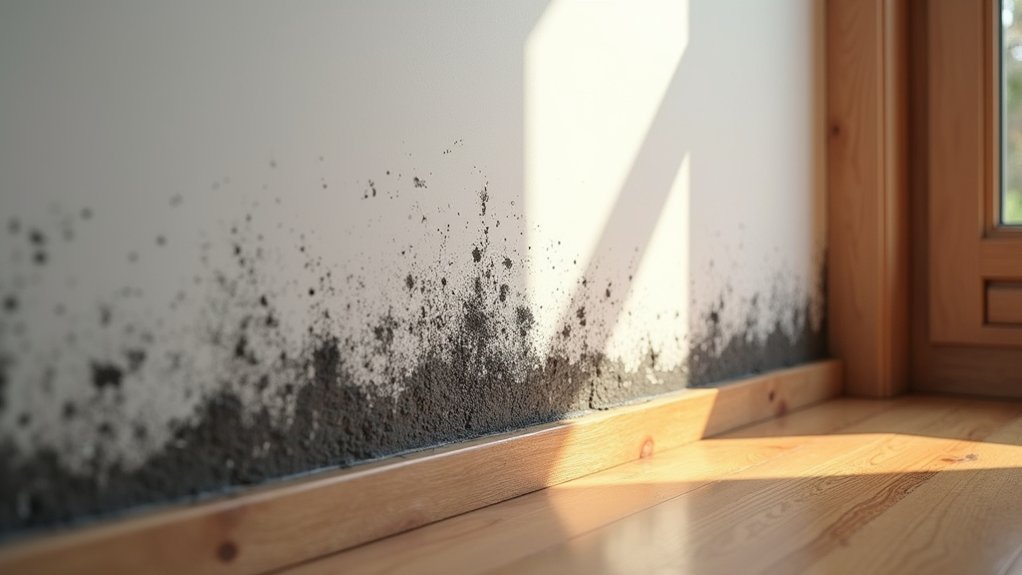
You can bypass expensive professional mold remediation by working with cash buyers who purchase properties as-is, allowing you to transfer remediation costs to experienced investors.
When you submit your property information through a streamlined assessment process, qualified buyers will evaluate your home’s condition and present a fair cash offer that accounts for existing mold issues without requiring upfront remediation expenses.
This approach enables you to choose your preferred closing timeline while maintaining legal compliance through proper disclosure requirements.
Tell Us About Your Property
Although federal regulations don’t mandate specific mold disclosure protocols, state-level real estate laws require sellers to document and disclose known mold presence as a material defect that affects property value and habitability.
When considering your selling options, you’ll need to provide detailed property information to potential buyers who can bypass traditional financing restrictions.
Your room inventory documentation should include:
- Square footage and specific locations of mold contamination
- Moisture source identification and current mitigation status
- Previous remediation attempts with supporting documentation
- HVAC system condition and air quality testing results
- Structural damage assessment from water intrusion events
Cash buyers and real estate investors typically request thorough property details upfront, including your renovation timeline expectations.
This transparency enables accurate valuations while maintaining regulatory compliance throughout the transaction process.
– You submit your information through a simple form or a quick phone call
Skipping traditional mold remediation costs becomes feasible when you connect with cash buyers and investment companies through streamlined submission processes.
Online intake forms capture essential property details including mold infestation scope, affected square footage, and previous remediation attempts. You’ll provide documentation about disclosure compliance per EPA guidelines and any DIY cleaning efforts using bleach mixtures or vinegar solutions.
Phone consultation follows your initial submission, allowing professional evaluation of mold resistance issues and health concerns that typically deter conventional buyers. Investment companies assess properties with visible mold infestations exceeding 10 square feet without requiring costly professional remediation certificates.
This approach eliminates buyer financing complications and insurance procurement delays while maintaining regulatory compliance through transparent documentation of known mold problems and remediation history.
Get a Fair Cash Offer
Cash buyers step in to eliminate the financial burden of mold remediation, which typically costs between $1,125 and $3,439 according to EPA remediation standards.
You’ll receive competitive offers that factor in your property’s current condition without requiring upfront investments.
Fair cash offer advantages:
- Market appraisal accuracy – Comparative market analysis determines realistic pricing despite mold presence
- Investor outreach networks – Professional buyers actively seek mold-affected properties for renovation projects
- Immediate liquidity – No financing contingencies or lengthy approval processes delay your transaction
- Transparent pricing – Offers reflect actual remediation costs rather than arbitrary deductions
- Regulatory compliance – Proper disclosure documentation protects you from future liability claims
Your offer reflects genuine market conditions while preserving your financial freedom from costly remediation requirements.
– We’ll quickly assess your property and present a no-obligation cash offer
Professional mold assessment protocols enable rapid property evaluation without requiring homeowner investment in preliminary remediation efforts.
You’ll receive a quick assessment that factors regulatory compliance requirements and current market conditions into your property’s valuation.
Our evaluation process bypasses traditional financing contingenciesesthat often complicate mold-affected property transactions, eliminating mortgage lender remediation requirements that delay conventional sales.
You’ll receive a transparent cash offer based on evidence-based market analysis, accounting for mold disclosure obligations and potential remediation costs ranging from $500 to $6,000.
This approach liberates you from upfront remediation expenses while avoiding the 10-30% value reduction typical in traditional sales.
Our no-obligation offer provides immediate market clarity without inspection delays or buyer withdrawal risks that plague conventional transactions involving mold-affected properties.
Choose Your Closing Date
When you strategically select your closing date, you’ll circumvent mandatory remediation expenses that typically range from $1,500 to $15,000 for moderate black mold contamination.
Smart closing timing enables liability shifting from seller to buyer through proper contractual positioning.
Key closing date strategies include:
- Schedule closing after buyer’s inspection acceptance – Transfers remediation responsibility when property sells “as-is”
- Accelerate closing timeline – Reduces buyer’s negotiation window for costly treatment demands
- Time closing post-disclosure compliance – Ensures legal protection while limiting seller exposure
- Coordinate with lender approval cycles – Prevents financing delays that extend remediation obligations
- Structure closing before remediation deadlines – Forces buyers to accept existing conditions or negotiate price adjustments
This approach maximizes your financial freedom while maintaining full regulatory compliance with state disclosure requirements.
– If you accept, you pick the date that works best for you, and we handle the paperwork
Since federal regulations don’t mandate mold remediation prior to property transfer, you’ll bypass the $1,500-$15,000 remediation costs through strategic cash sale timing. When you accept a direct cash offer, you can pick date flexibility that circumvents traditional financing obstacles that typically require mold clearance certificates. Your transaction timeline isn’t constrained by lender-mandated remediation requirements or extended inspection contingencies.
The paperwork handled by cash buyers eliminates disclosure complications inherent in conventional sales processes. You’ll avoid preparing detailed remediation documentation, contractor certifications, or safety permits that standard mortgage transactions demand. Direct sales streamline regulatory compliance through simplified purchase agreements that acknowledge existing conditions without extensive legal modifications. This approach preserves your autonomy while meeting statutory disclosure obligations efficiently.
Final Thoughts
You’re steering a regulatory minefield where one undisclosed spore could trigger catastrophic litigation. State disclosure statutes aren’t suggestions—they’re ironclad mandates with penalties that’ll devastate your financial future. EPA guidelines and local health codes create liability exposure extending years beyond closing. Don’t gamble with mycotoxin concealment; documentation deficiencies will annihilate your legal position. Compliance with ASTM standards and proper environmental assessments aren’t optional—they’re your only shield against buyer litigation and regulatory sanctions.
References
- https://www.avvo.com/legal-answers/is-it-legal-to-sell-a-house-with-black-mold–2211389.html
- https://www.housebuyersofamerica.com/blog/how-do-you-sell-a-house-if-its-been-infected-with-mold
- https://www.homelight.com/blog/buyer-can-you-sell-a-house-with-mold/
- https://ibuyer.com/blog/can-you-sell-a-house-with-mold/
- https://www.empirelearning.com/edge/selling-a-home-with-mold-what-real-estate-agents-should-know/
- https://www.rbcashoffer.com/blog/selling-a-house-with-mold-in-new-york-what-you-need-to-know/
- https://www.scolnicklaw.com/blog/new-york-state-amends-property-condition-disclosure-statement-to-enforce-inclusion-of-indoor-mold-history-5yn9g
- https://www.jdsupra.com/legalnews/new-york-amends-property-disclosures-to-9072043/
- https://www.currenenvironmental.com/blog/mold-disclosure-new-jersey
- https://www.outerbridgelaw.com/blog/apartment-mold-disclosure-laws-in-new-york/