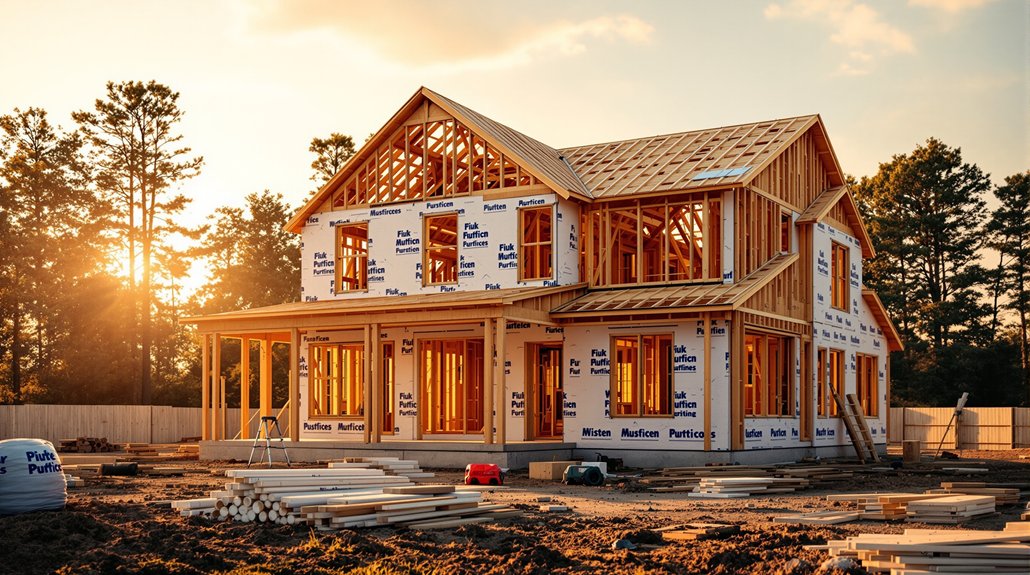
You’ll face mandatory disclosure requirements for all known defects, unpermitted work, and safety hazards when selling your unfinished property. Traditional mortgages often aren’t available, limiting your buyer pool primarily to cash purchasers and investors. You must compile building permits, inspection reports, and contractor documentation to reduce legal liability. Appraisals typically value unfinished spaces at markedly reduced rates, impacting your sale price. Proper documentation and strategic marketing to renovation-focused buyers protect you from post-closing litigation while maximizing returns.
Legal Disclosure Requirements for Unfinished Properties
When you’re selling an unfinished house, you’re legally bound to reveal every known defect, incomplete project, and safety issue that could affect the buyer’s decision or the property’s value. You can’t escape this obligation by listing your property “as-is” – disclosure requirements persist non-negotiable.
You must document all unpermitted work, structural defects, failed inspections, and incomplete permits in writing. Additionally, many states have specific hazardous materials disclosure laws that require sellers to inform buyers of any hazardous materials present in the home. Hidden defects you’ve uncovered but haven’t revealed create significant seller liability exposure, potentially resulting in lawsuits for damages and attorney fees. Your Real Estate Condition Report must accurately reflect every material defect affecting safety, functionality, or property worth.
Don’t withhold information hoping buyers won’t notice – this strategy backfires legally and financially, leaving you vulnerable to post-sale litigation and damage claims. Providing thorough documentation of completed work such as permits, inspection reports, and contractor invoices significantly increases buyer confidence in your property.
Essential Documentation and Permits
While disclosure forms capture known defects, you must compile thorough documentation proving your unfinished property’s compliance status and structural integrity.
Building permits demonstrating code compliance protect you from legal liability and buyer claims. It is important to remember that professional staging is unnecessary when selling to investors, allowing you to allocate funds towards essential documentation instead.
Inspection reports verify structural soundness of incomplete areas, while contractor agreements document completed work and identify responsible parties for potential contractor liens.
You’ll need cost estimates for completion work, enabling buyers to assess their financial exposure.
If work lacks permits, pursue retroactive permits immediately—unpermitted work creates legal vulnerabilities and financing obstacles.
Contact your building department to determine permit requirements and fees, which typically exceed standard pre-construction costs.
Organized, accessible documentation eliminates buyer hesitation and reduces your legal risk during negotiations. Proper documentation builds buyer trust by demonstrating transparency about the property’s current condition and completion requirements.
Appraisal and Market Value Assessment

Because unfinished properties present unique valuation challenges, you’ll face three distinct appraisal methodologies that directly impact your sale price and legal exposure.
Your market appraisal options include:
- As-is valuations that slash your property’s worth based on current unfinished conditions
- Subject-to completion assessments requiring detailed blueprints and repair estimates
- Certificates of completion for new construction projects
You must provide thorough documentation including blueprint plans, material specifications, and cost breakdowns.
Unfinished basements receive only 25% of above-grade square footage value, while incomplete interiors don’t contribute to appraised footage at all.
Your appraiser needs 20 minutes to two hours for inspection, then delivers reports within three to five days.
Expect one to four weeks total completion time.
Remember: incomplete renovation projects severely damage valuation, potentially trapping you in unfavorable contractual positions. Market fluctuations during extended selling periods can further affect final property values, making timing critical for your sale strategy.
Financing Options and Limitations
Unless you secure appropriate financing before listing, your unfinished property will attract a severely limited buyer pool, forcing you into potentially disadvantageous negotiations.
Most traditional mortgages won’t finance unfinished homes lacking essential systems, creating substantial barriers for conventional buyers.
Construction financing becomes your buyer’s primary option, requiring detailed project plans, stronger credit scores, and higher down payments—typically 5-20%. These loans carry elevated interest rates and strict renovation limits governed by approved contractors and mandatory inspections.
Cash buyers dominate this market, giving them significant leverage over your pricing.
Alternative financing through FHA 203(k) or renovation loans exists but involves complex approval processes and extended timelines.
You’re fundamentally marketing to investors, flippers, and cash-rich buyers who’ll negotiate aggressively knowing their limited competition.
Consider completing essential systems yourself to expand your buyer pool and maximize market value. Potential buyers often face permitting hurdles when local building codes haven’t been met during the original construction phase.
Target Buyers and Marketing Strategies

Given these financing constraints and your limited buyer pool, you must devise targeted marketing strategies that speak directly to cash buyers, investors, and renovation-savvy purchasers who understand construction risks. Your success depends on reaching financially capable individuals who won’t be deterred by traditional lending obstacles.
Focus your marketing efforts on these critical channels:
- Investor networks – Target real estate investment groups, contractor associations, and property developer communities
- Construction-focused platforms – Leverage specialized forums, renovation social media groups, and DIY communities
- Direct outreach campaigns – Contact established contractors and flippers with proven track records
You’ll need thorough documentation detailing existing work quality, realistic renovation timelines, and completion cost estimates. Emphasize customization opportunities and potential equity gains while maintaining complete transparency about structural integrity and required permits to protect yourself legally.
Local Building Codes and Compliance
When selling an unfinished house, you’re legally bound to comply with the building codes that were in effect at the time of your original permit application, creating potential liability if construction doesn’t meet these standards or if permits have expired.
California Health and Safety Code Section 18938.5 locks you into the codes from your application submittal date. If your permits expired, resubmission subjects you to current codes, potentially requiring costly upgrades.
| Code Category | Required Documentation | Scale Requirements |
|---|---|---|
| Structural Plans | Floor plans with dimensions | 1/4″ = 1’0″ minimum |
| Elevations | Exterior/interior sections | 1/8″ = 1’0″ minimum |
| Details | Stairs, fireplaces, railings | 3/4″ = 1’0″ scale |
| Site Work | Driveway profiles | 1/4″ = 1’0″ scale |
Your inspection checklist must verify Title 24 compliance. Understanding permit timelines protects you from unexpected code upgrade requirements that could derail your sale.
Transaction Process and Legal Considerations
Before you can legally transfer an unfinished property, you must compile thorough documentation that demonstrates permit compliance and structural integrity.
Your transaction faces heightened scrutiny, requiring extended escrow timelines to accommodate thorough inspections and title contingencies related to unpermitted work.
Critical legal exposures you’ll face include:
- Buyer lawsuits demanding damages for undisclosed defects or code violations
- Municipal fines forcing costly remediation before closing
- Deal collapse when lenders refuse financing incomplete properties
You must disclose all known defects, failed inspections, and unpermitted modifications in writing.
Contract language should explicitly allocate responsibility for completion costs and permit acquisition.
Engage real estate attorneys early to structure protective clauses and make certain compliance with state disclosure laws, safeguarding your financial freedom from post-sale litigation.
Three-Step Unfinished Home Sale
You’ll complete your unfinished property sale through three contractual phases that minimize legal exposure while maximizing transaction efficiency.
First, you’ll submit verified property details and documentation to establish baseline conditions and potential liabilities.
Second, you’ll receive a binding cash offer that accounts for completion costs and market risks, followed by your selection of a closing date that meets contractual obligations.
Tell Us About Your Property
Through thorough documentation and transparent disclosure, you’ll establish the foundation for a legally sound unfinished home sale that protects against future liability claims.
Complete documentation requires detailed room histories documenting work progression, structural modifications, and utility access points. Your disclosure package must include building permits, inspection reports, contractor agreements, and material receipts establishing verifiable completion records.
Critical disclosure elements protecting your legal position:
- Unpermitted work locations – Identify every modification lacking proper municipal approval
- Structural integrity concerns – Document load-bearing changes and foundation issues requiring professional assessment
- Safety hazards and code violations – List exposed wiring, unstable flooring, and incomplete systems creating liability exposure
Organize documentation into exhaustive folders demonstrating professional project management. This systematic approach reduces buyer uncertainty while establishing clear contractual boundaries regarding property condition and completion responsibilities.
– You submit your information through a simple form or a quick phone call
Once you’ve compiled your documentation package, you can kick off the sale process by submitting your property information through a standardized online form or direct phone consultation. Most platforms require essential data: property address, completion stage, structural concerns, and contact details. You’ll maintain complete control over disclosure levels while addressing privacy concerns through confidential submission channels.
The form takes under ten minutes to complete, with no contractual obligations attached. Phone consultations offer immediate assessment opportunities without scheduling constraints. Companies typically respond within 24 hours, establishing clear timeline expectations for preliminary offers.
You retain absolute decision-making authority throughout this initial phase. No fees apply for information submission, and you can withdraw from consideration at any point without penalty or further contact requirements.
Get a Fair Cash Offer
After submitting your property details, you’ll move into the three-step cash offer process that determines your unfinished home’s actual market value.
Professional evaluation considers your property’s current condition—not potential value—using proven pricing strategies that account for completion costs and comparable sales.
The inspection expectations include:
- Complete assessment of unfinished systems – electrical, plumbing, and structural elements that directly impact your offer amount
- Documentation of remaining work scope – protecting you from post-agreement disputes about property condition
- Transparent valuation breakdown – ensuring you understand exactly how your offer was calculated
You’ll receive your non-binding offer within 48 hours. This eliminates uncertainty while preserving your right to decline.
The offer persists valid without obligation until you sign a binding purchase agreement, giving you complete control over your decision.
– We’ll quickly assess your property and present a no-obligation cash offer
Your unfinished property requires a systematic three-step evaluation process that protects both parties through documented assessment protocols.
First, we’ll conduct a thorough walk-through within our standard inspection timeframe, cataloging all structural elements, electrical systems, plumbing infrastructure, and on-site materials. You’ll receive complete documentation of existing permits, architectural plans, and contractor records we’ve compiled.
Second, we’ll establish a realistic rehab timeline based on contractor estimates for remaining work, ensuring full transparency about completion costs and code compliance requirements. Safety hazards and structural concerns receive immediate identification and disclosure.
Third, you’ll receive a documented cash offer reflecting actual property conditions, outstanding permit requirements, and verified completion costs. This no-obligation assessment eliminates traditional sale complications while preserving your autonomy to accept or decline our proposal.
Choose Your Closing Date
While construction timelines create inherent uncertainty, you’ll establish a binding closing date that accounts for permit resolution, contractor sign-offs, and title clearance requirements.
Your construction timeline directly impacts buyer flexibility, making strategic date selection essential for transaction success.
Critical closing considerations:
- Financial freedom hangs in balance – Appraisal delays or financing complications can trap you in extended ownership
- Legal exposure multiplies daily – Unresolved permits and title issues create mounting liability risks
- Market conditions shift rapidly – Delayed closings expose you to price fluctuations and buyer withdrawal
Negotiate a 30-60 day window allowing sufficient contingency time while maintaining firm deadlines.
Require contractor documentation before closing and coordinate with your attorney for expedited title searches.
Your closing agent must verify all legal requirements are satisfied, ensuring clean ownership transfer without post-closing disputes or continued financial obligations.
– If you accept, you pick the date that works best for you, and we handle the paperwork
Breaking down the three-step process starts with thorough documentation assembly that protects your legal interests while expediting buyer decision-making. You’ll maintain complete control over timing while professional services handle administrative burdens through paperwork outsourcing.
| Seller Responsibility | Professional Service Handling |
|---|---|
| Choose closing timeline | Contract preparation and review |
| Provide property documentation | Legal compliance verification |
| Make final acceptance decision | Transaction coordination |
Once you accept an offer, seller convenience becomes paramount. You’ll select your preferred closing date without external pressure or artificial deadlines. Professional teams manage permit verification, inspection record compilation, and contractor documentation assembly. This streamlined approach eliminates your involvement in complex administrative tasks while ensuring legal compliance. The expedited timeline protects you from prolonged market exposure while maintaining contractual precision throughout the transaction process.
Final Thoughts
You’re steering a legal minefield when selling your unfinished property. Don’t let inadequate disclosure documentation become your Achilles’ heel—you’ll face potential liability that could devastate your financial position. You must secure proper permits, obtain accurate appraisals, and identify qualified buyers who understand the risks they’re assuming. You’re contractually obligated to provide thorough documentation of incomplete work, outstanding permits, and code compliance issues. Proceed with experienced legal counsel to protect your interests.
References
- https://www.ninebp.com/post/how-to-sell-an-unfinished-house
- https://www.fantastichomes.com/blog/unfinished-house/
- https://www.fastexpert.com/blog/i-cant-finish-my-reno-how-do-i-sell-an-unfinished-house/
- https://jbakerlawgroup.com/legal-requirements-for-selling-property-in-las-vegas/
- https://mosshomesolutions.com/blog/selling-unfinished-house
- https://www.homelight.com/blog/selling-a-house-as-is-in-nevada/
- https://www.lasvegasnevada.gov/Business/Planning-Zoning/Code-Enforcement/Abandoned-Property-Registry
- https://www.bestofferkc.com/blog/tips-for-selling-a-house-with-unfinished-renovations/
- https://lasvegas.webuyhouses.com/blog/how-to-sell-a-house-in-las-vegas-when-your-tenant-disappears-and-youre-stuck/
- https://www.wra.org/Resources/Transactional/RelatedDocs/Realtor_Building_Permits_FAQ/