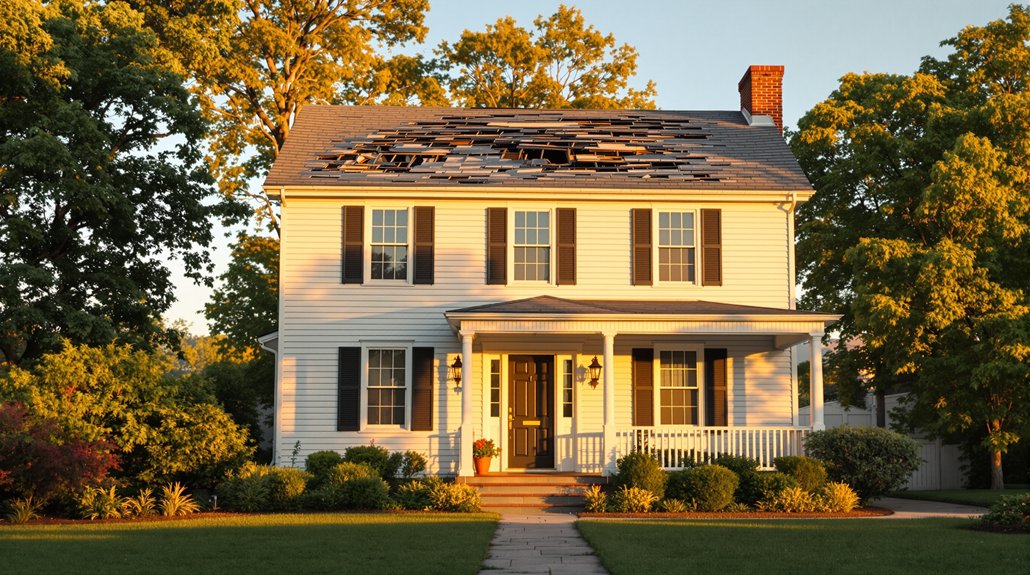
You’re legally required to disclose roof leaks to buyers, which typically reduces your home’s market value by 10-25% beyond actual repair costs. Properties with roof damage face extended listing periods, intensified buyer negotiations, and potential structural liability concerns that deter qualified purchasers. Minor repairs cost $300-$800, while major fixes can exceed $6,500, yet typically recover only 60-70% at resale. Understanding your disclosure obligations and exploring alternative sale strategies can help you navigate these challenging market conditions effectively.
How a Leaking Roof Affects Your Home’s Market Value
When selling a house with a leaking roof, you’re facing substantial market value reduction that extends far beyond simple repair costs. Your home’s appraisal impact becomes severe as moisture damage signals poor maintenance to professionals evaluating the property. Additionally, homes with active termite damage can further exacerbate the negative perception of the overall condition of your home.
Buyer perception immediately shifts negative when roof leaks are detected, creating negotiation leverage that works against you. Potential buyers often reduce offers by more than actual replacement costs after detecting problems. Your property will sit on the market longer, forcing acceptance of lower offers to facilitate sale.
The history of roof leaks markedly damages market value, as buyers view this as evidence of overall neglect throughout the home. You’ll face mandatory disclosure requirements during sale process, further diminishing buyer confidence and competitive offer potential. Insurance companies may deny claims or increase premiums for preventable damage, adding another layer of financial burden that affects your property’s attractiveness to buyers.
Buyer Reactions and Market Appeal Challenges
Once buyers uncover roof leaks during their property evaluation, you’ll encounter immediate and predictable resistance that extends far beyond simple price negotiations. Understanding buyer psychology reveals deep-seated concerns about structural integrity, safety risks, and your maintenance credibility. Market trust erodes when buyers spot water damage, mold potential, or incomplete disclosures.
| Buyer Concern | Impact on Market Appeal |
|---|---|
| Structural damage fears | Walk-aways despite attractive pricing |
| Health/safety risks | Demands for extensive inspections |
| Disclosure skepticism | Increased scrutiny of all representations |
| Negotiation leverage | Aggressive repair demands or credits |
| Property perception | Reduced curb appeal and buyer interest |
You’ll face escalated demands for documentation, third-party validations, and repair guarantees. Buyers who proceed typically insist on protective contingencies that complicate your closing timeline and reduce your negotiating position. Roof damage claims are the second most common source of disputes against home inspectors, reflecting how frequently these issues derail transactions and create lasting legal complications.
Extended Listing Periods and Pricing Pressure
Your leaking roof property faces intensified headwinds as 48% of listings now linger beyond 60 days—the highest August percentage since 2019. This market shift means you’ll likely confront longer listings, with median days increasing from 58 to 63 days recently. Nearly one in five sellers accepts price adjustments, representing decade-high concession rates. Additionally, many sellers fail to account for hidden costs that can further impact their bottom line during negotiations. Your defective roof amplifies these pressures, as buyers exploit expanded inventory (4.6 months supply) to demand deeper discounts. Extended listing periods signal impending price declines across markets. You’re entering negotiations from a weakened position where structural defects become leverage points for aggressive buyers seeking maximum value extraction. Rapid sales now typically occur only for homes with immaculate presentation or unique features, making defective properties even more challenging to move quickly.
Water Damage and Hidden Structural Concerns
Beyond surface-level concerns, your leaking roof creates cascading water damage that penetrates deep into your home’s structural framework, exposing you to significant liability risks and mandatory disclosure obligations. Water infiltration compromises load-bearing walls, support beams, and joists, causing structural rot that weakens your home’s foundation. You’re legally bound to disclose these material defects, even if they’re not immediately visible.
Hidden mold develops within 24-48 hours in damp environments, creating health hazards you must reveal to potential buyers. Wooden beams lose strength, metal fasteners corrode, and insulation clumps, reducing effectiveness. Water stains, sagging ceilings, and musty odors signal deeper problems that professional inspections will inevitably uncover. Professional remediation may be required for significant mold infestations that have spread throughout affected areas. Attempting to conceal these issues violates disclosure laws and exposes you to post-sale litigation.
Repair Costs vs. Investment Returns
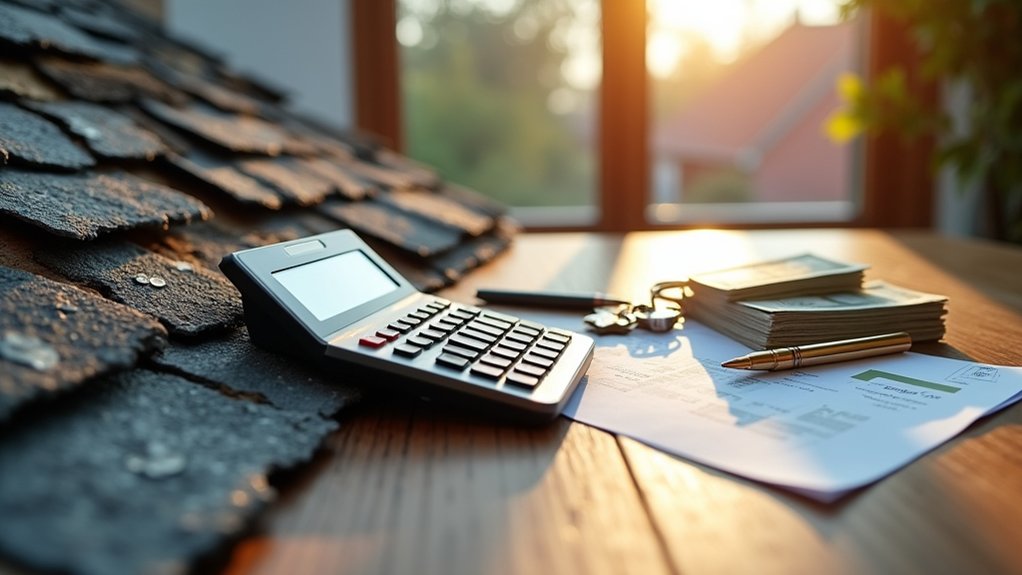
While minor roof repairs might cost only $300 to $800, you’re facing a complex financial calculation that weighs immediate repair expenses against potential sale price reductions of 10% to 25% of your home’s value.
Major structural repairs can escalate to $6,500+, but unrepaired leaks expose you to buyer negotiations demanding significant price concessions.
You’ll recover 60% to 70% of repair investments at resale while eliminating deal-killing inspection findings.
Emergency repairs add 25% to 100% to standard costs, creating timing risks.
Consider that well-maintained roofs increase resale value by 1% to 6%, demonstrating long term maintenance value.
Energy efficiency improvements during repairs may qualify for tax credits, offsetting immediate expenses while attracting environmentally conscious buyers seeking reduced utility costs.
Legal Requirements and Alternative Sale Strategies
When you’re selling a house with a leaking roof, you’ll face stringent legal disclosure requirements that vary by jurisdiction but universally mandate written documentation of all known defects affecting your property’s value or safety. Disclosure timelines typically require immediate notification once you’re aware of the issue. Failure to disclose exposes you to fraud claims and potential sale rescission.
| Traditional Sale | Alternative Strategy |
|---|---|
| Full repairs required | Sell “as-is” with disclosure |
| Extended market time | Quick investor outreach |
| Higher listing price | Price reduction upfront |
| Buyer financing issues | Cash buyer targeting |
Alternative strategies offer freedom from repair obligations. Target real estate investors or cash-buying companies specializing in distressed properties. Provide professional inspection reports and repair estimates upfront. This transparency protects you legally while attracting buyers who understand the property’s condition and can close quickly.
Skip Expensive Roof Repairs
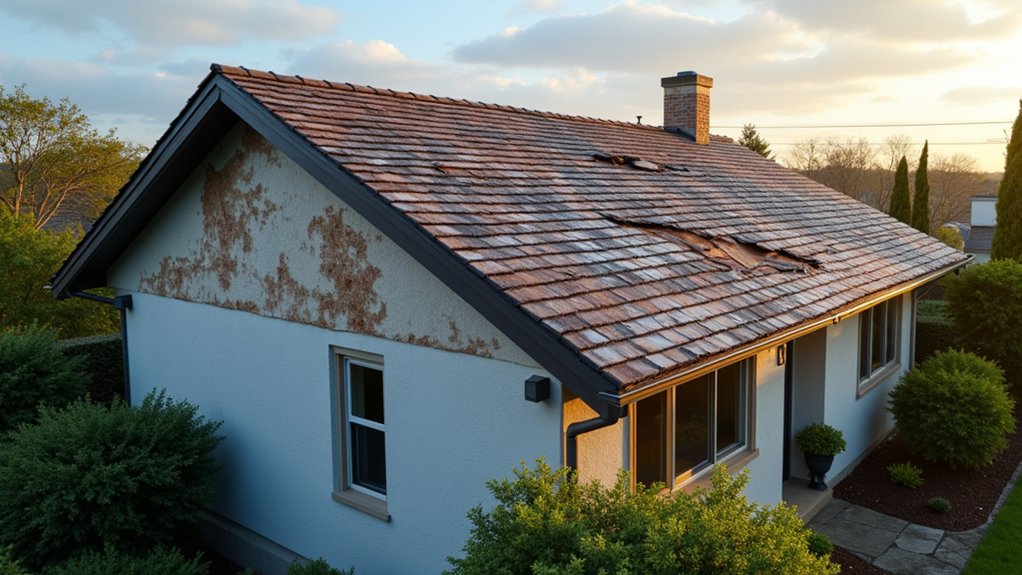
You can skip costly roof repairs by working with cash buyers who purchase properties in their current condition.
When you submit your property information through a simple form or quick phone call, investors will assess your home’s value accounting for the roof issues and present a no-obligation cash offer.
You’ll retain control over the timeline by choosing your preferred closing date, avoiding months of repair work and contractor coordination that traditional sales typically require.
Tell Us About Your Property
How substantially will your leaking roof impact your home’s marketability and final sale price? You’re facing a 10-20% reduction below market value, with buyers leveraging repair costs of $7,000-$15,000 against your asking price. Your property’s extended market time signals underlying problems to potential buyers, creating additional negotiation pressure.
Consider these critical factors affecting your sale:
- Appraisal Risk – Lenders may require immediate repairs before mortgage approval, potentially killing deals
- Structural Liability – Hidden water damage creates legal disclosure obligations and buyer leverage
- Insurance Complications – Coverage limitations may deter qualified buyers from proceeding
Despite neighborhood trends favoring sellers or available renovation incentives, your leaking roof eliminates competitive advantages. Buyers perceive roof damage as poor maintenance, questioning what other issues you’ve concealed. You’re effectively competing with move-in-ready properties while carrying significant liability.
– You submit your information through a simple form or a quick phone call
Filling out a simple form or making a quick phone call connects you with cash buyers who specialize in purchasing homes with structural defects, eliminating your obligation to invest thousands in roof repairs before sale. This quick contact method bypasses traditional listing requirements that typically demand costly pre-sale improvements. You’ll receive an instant estimate based on your property’s current condition, including documented roof damage and repair histories.
Cash buyers who accept as-is properties understand structural risks and factor repair costs into their offers. While offers may reflect below-market values, you avoid holding costs, inspection delays, and potential legal disputes from undisclosed defects. Professional investors streamline transactions by accepting documented roof problems upfront, providing transparent purchase terms that acknowledge existing structural issues without requiring seller remediation obligations.
Get a Fair Cash Offer
Cash buyers eliminate your financial burden of expensive roof repairs by purchasing your property in its current damaged condition. Their cash valuations factor roof damage directly into transparent pricing calculations, removing negotiation hassles over repair credits. You’ll receive honest assessments based on proven investment formulas without costly inspection delays.
Instant closings provide immediate relief from:
- Out-of-pocket repair expenses – Avoid $8,000-$50,000 roof replacement costs that only return 48-57% value
- Legal disclosure risks – Cash buyers expect damage, reducing misrepresentation liability concerns
- Carrying cost burdens – Eliminate monthly payments while managing water damage and marketing delays
Professional investors calculate offers at 70-85% of after-repair value minus estimated repairs. While you’ll accept below-market pricing, you’ll avoid repair expenses, agent commissions, and extended holding costs that often exceed the price difference.
– We’ll quickly assess your property and present a no-obligation cash offer
Skip the mounting expenses and legal complexities of roof repairs by securing a rapid assessment that preserves your financial exposure within days. Cash buyers conduct thorough property evaluations within 24–48 hours, reviewing inspection reports and damage severity without requiring upfront fees from you.
You’ll receive transparent terms through no-obligation offers presented within 1–3 days of assessment. These offers persist valid for 7–14 days, providing adequate time for informed decision-making without pressure tactics. The rapid assessment process identifies all disclosed defects while protecting you from repair coordination risks, permit delays, and potential contractor disputes.
Cash offers typically range 55–85% of appraised value, reflecting assumed repair costs and buyer risk. You’ll avoid $7,000–$30,000 repair expenses while eliminating real estate commission fees averaging 5–6% of sale price.
Choose Your Closing Date
Once you accept a cash offer, you’ll gain unprecedented control over your transaction timeline through flexible closing date arrangements that eliminate repair deadline pressures.
Your flexible timeline becomes a potent negotiation tool when selling with roof damage. Unlike traditional buyers who demand immediate repairs, cash purchasers typically accommodate your scheduling needs while maintaining proper disclosure requirements.
Key Timeline Advantages:
- Negotiated possession dates – You’ll coordinate move-out timing without rushing costly emergency roof fixes
- Contract addendum flexibility – Both parties can specify closing terms that protect your legal interests
- “As-is” sale protection – You’ll avoid thousands in repair costs while maintaining full disclosure compliance
This arrangement protects you from repair liability while ensuring transparent communication about known defects.
Your closing timeline flexibility eliminates financial pressure and legal exposure associated with pre-sale roof repairs.
– If you accept, you pick the date that works best for you, and we handle the paperwork
When you accept our cash offer, you’ll eliminate the financial burden of expensive roof repairs while maintaining full legal compliance through proper disclosure protocols.
You retain complete control over flexible scheduling, selecting your preferred closing date without pressure from mortgage contingencies or repair deadlines.
Our streamlined paperwork handling guarantees all disclosure requirements are met while protecting you from future liability claims related to the roof condition.
Unlike traditional sales where buyers often demand $10,000-$15,000 price reductions for roof issues, our process eliminates renegotiation risks.
You won’t face the 60% buyer rejection rate typical with roof problems or extended market time that increases holding costs.
We manage all documentation, inspection reports, and legal agreements, allowing you to close efficiently while avoiding costly repairs that typically yield only 60-85% ROI.
Final Thoughts
You’d think hiding roof damage would simplify your sale, but you’ll actually complicate everything. While you’re avoiding repair costs, you’re creating legal liabilities that’ll cost far more. Disclosure laws don’t disappear because you’re hoping buyers won’t notice. You’ll face extended listings, reduced offers, and potential lawsuits when that “minor drip” becomes the buyer’s major headache. Sometimes the expensive fix upfront prevents the catastrophic legal exposure later.
References
- https://shelter-usa.com/how-a-damaged-roof-can-affect-your-homes-resale-value/
- https://www.expresshomebuyers.com/blog/to-fix-or-not-to-fix-selling-your-home-with-a-bad-roof/
- https://www.reimagineroofing.com/how-roofing-impacts-your-homes-resale-value/
- https://www.iko.com/blog/does-a-new-roof-increase-home-value/
- https://thethirdestimate.com/new-roof-increase-home-value/
- https://www.redfin.com/blog/should-you-replace-your-roof-or-sell-as-is/
- https://fgpainting.com/7-facts-how-much-damage-can-a-leaking-roof-cause/
- https://gm-exteriors.com/blog/does-a-new-roof-increase-home-value
- https://www.sunsent.com/the-state-of-roofing-in-2025-a-data-driven-look-at-costs-damage-and-industry-trends
- https://www.redfin.com/blog/does-a-new-roof-increase-home-value/